Quick Answer:
20cm equals 7.87 inches, 200 millimeters, or 0.2 meters. It is similar in length to everyday items like a large banana, dinner fork, or small tablet width.
Many people search for How Big Is 20cm because measurements in centimeters can feel difficult to imagine without a familiar reference. Numbers alone do not always create a clear picture, so comparing this length with common household items makes it easier to understand.
Knowing this size is useful when buying products, checking dimensions, measuring spaces, or comparing objects online. Real-world examples help you visualize how long this distance actually looks in everyday situations.
In this guide, you will learn the exact conversions, what this measurement looks like, how to estimate it without a ruler, and 15 common objects that are close to this length.
20cm Conversion Chart
Quick and accurate measurement conversions
| Unit | Converted Value |
|---|---|
| Feet | 0.66 ft |
| Inches | 7.87 inches |
| Centimeters | 20 cm |
| Millimeters | 200 mm |
| Meters | 0.2 m |
How Big Is 20cm?
A length of 20 centimeters is considered a medium-small everyday measurement that is easy to find around the home. It is equal to about 7.87 inches, which is slightly shorter than the length of a standard school ruler. This size is large enough to notice but still small enough to fit comfortably in your hand.
When you visualize this measurement, think about objects that are commonly between 18 and 22 centimeters long. Items such as a large banana, kitchen fork, small electronic devices, and compact personal accessories often fall close to this range.
This measurement appears frequently in product dimensions, packaging sizes, kitchen tools, and personal items. Understanding it helps when comparing online product listings or estimating space requirements without measuring equipment.
Some common examples close to this length include:
- A large banana is usually around 18–22 cm long, making it one of the easiest natural comparisons.
- A dinner fork often measures about 19–21 cm from handle to tip.
- A small tablet may have a width close to this size depending on the model.
- Many TV remote controls are around this length.
- The shorter side of A4 paper is slightly longer at 21 cm.
How Many Inches Is 20cm?
20 centimeters converts to approximately 7.87 inches. Since one inch equals 2.54 centimeters, this measurement is just under 8 inches. For people who are more familiar with inches, imagining something slightly shorter than an 8-inch object provides a quick mental reference.
In everyday comparisons, this length is close to the size of many handheld objects. A small tablet width, kitchen utensil, or medium-sized personal item can help create a realistic picture of this distance.
The difference between 7.87 inches and 8 inches is very small, so many practical comparisons can use the rounded value of 8 inches when estimating. However, exact measurements are important for technical uses, product dimensions, and design work.
A few useful inch comparisons include:
| Measurement | Equivalent |
|---|---|
| 20 cm | 7.87 inches |
| 8 inches | 20.32 cm |
| Half a foot | 15.24 cm |
| One foot | 30.48 cm |
What Does 20cm Look Like?
A length of 20 centimeters is about the size of many small everyday objects that you can easily recognize. It is equal to 7.87 inches, which makes it slightly shorter than an 8-inch object. Without a ruler, this measurement can be difficult to imagine, but familiar items provide a clear visual reference.
This size is commonly seen in household items, kitchen tools, stationery, and small electronic devices. A 20cm object can usually fit comfortably in one hand and is large enough to notice while still being considered a compact measurement.
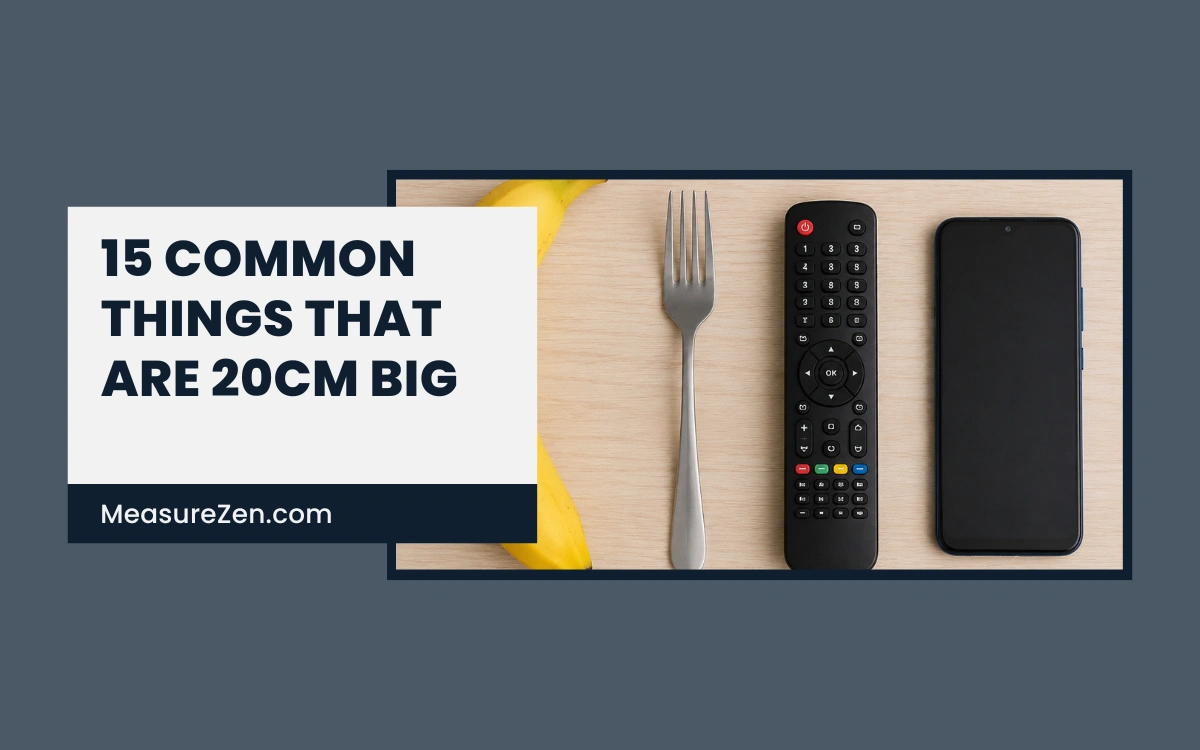
Objects like a dinner fork, large banana, small tablet width, and TV remote control give a realistic idea of how this length appears in daily life. Comparing it with these familiar items makes it easier to understand the actual size and visualize the measurement accurately.
How to Estimate 20cm Without a Ruler
You can estimate this measurement without a ruler by comparing it with objects that have predictable sizes. Everyday items provide useful references when you need a quick measurement at home, in a store, or during a project.
One simple method is using your hand. The width of many adult hands, the length of certain fingers, and common objects like forks or phones can provide a close estimate. These methods will not replace precise measuring tools but work well for rough comparisons.
Helpful ways to estimate this length include:
- Use a standard dinner fork: Most forks are around 19–21 cm long, making them almost the same size.
- Compare with A4 paper: The shorter side of A4 paper is 21 cm, which is only slightly longer.
- Measure with your hand: Many adult hand spans or palm-based estimates can approach this length.
- Use a large banana: A typical large banana provides a close visual reference.
- Compare with small electronics: Some compact devices have dimensions near this measurement.
For accurate measurements, a ruler or measuring tape is always recommended, but these comparisons make it easier to recognize the approximate size.
15 Common Things That Are 20cm Big
Many everyday objects are close to 20 centimeters long. These comparisons make it easier to understand this measurement without needing specialized tools.
| Object | Approximate Length | How It Compares |
|---|---|---|
| Large Banana | 18–22 cm | Very close to this measurement |
| Dinner Fork | 19–21 cm | Almost the same length |
| Small Tablet Width | 19–22 cm | Similar depending on model |
| TV Remote Control | 18–22 cm | Common household comparison |
| A4 Paper Short Side | 21 cm | Slightly longer |
| Chef’s Knife Blade | 20 cm | Often matches closely |
| Hair Brush | 18–23 cm | Similar overall size |
| Rolling Pin Handle Section | Around 20 cm | Close visual match |
| Small Plush Toy | 20 cm | Common toy size |
| Decorative Candle | 18–22 cm | Similar height |
| Paperback Book Height | 19–21 cm | Nearly identical |
| Small Notebook Width | 19–21 cm | Close match |
| Kitchen Spatula | Around 20 cm | Similar compact size |
| Small Water Bottle Height | 20 cm | Depends on bottle design |
| Eyeglasses Case Length | 18–21 cm | Very close comparison |
1. Large Banana
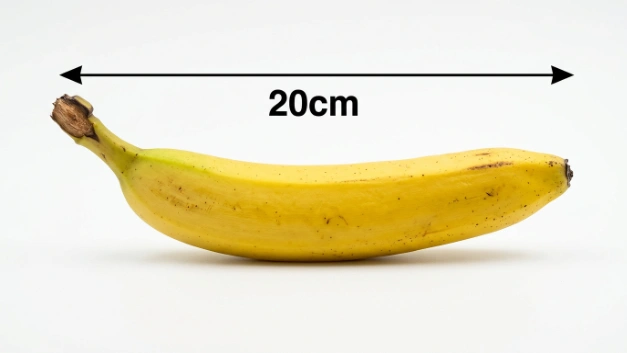
A large banana is usually around 18–22 cm long, making it one of the closest natural comparisons for this measurement. The fruit’s curved shape means its straight-line length may vary slightly, but most large bananas fall very close to this range.
Bananas are commonly found in kitchens, grocery stores, and lunchboxes, so they provide an easy visual reference. Their familiar shape makes them useful when explaining measurements to people who do not have a ruler nearby.
Because a large banana is close to 20cm, placing one beside a measuring tape or ruler shows how similar the sizes are. It is one of the simplest everyday examples for understanding this length.
2. Dinner Fork
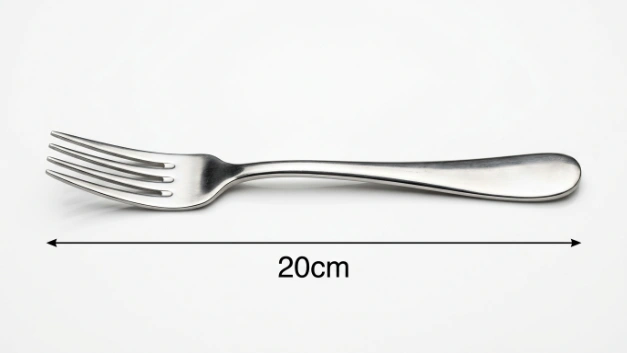
A standard dinner fork is usually around 19–21 cm long, making it almost identical to this measurement. The length includes the pointed tines, the neck, and the handle, which together create a size very close to 20 centimeters.
Dinner forks are common kitchen utensils used every day for eating meals. Their consistent manufacturing size makes them a reliable comparison object because most household forks fall within a similar range.
A fork is one of the easiest ways to visualize this measurement. If you place a typical dinner fork on a table, its total length will look nearly the same as a 20cm line.
3. Small Tablet Width
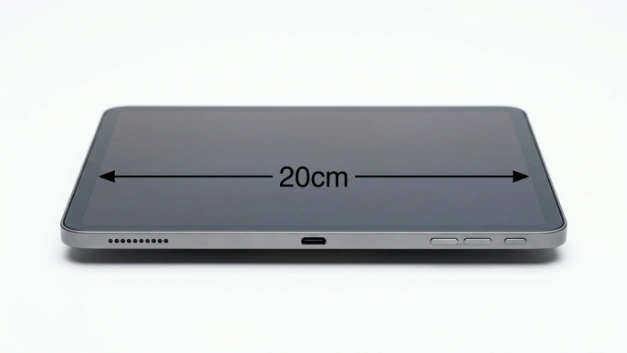
Small tablets often have widths between 19–22 cm depending on the screen size and design. While tablet dimensions vary by brand, many compact models have a width that closely matches this measurement.
These devices are commonly used for reading, browsing, gaming, and watching videos. Their rectangular shape makes the width easier to compare than objects with curved or irregular designs.
A small tablet placed horizontally gives a clear visual example of this length. The side edge of the device can represent approximately 20 centimeters.
4. TV Remote Control
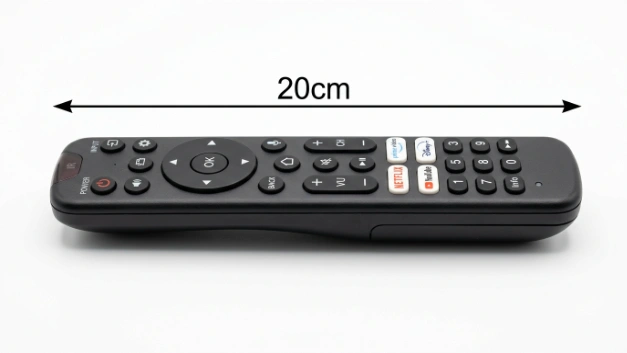
Many standard TV remote controls measure around 18–22 cm in length. The exact size depends on the brand and number of buttons, but most household remotes are close to this range.
Remote controls are familiar objects found in almost every home. Their slim rectangular shape makes them easy to compare with a straight measurement.
Holding a remote control in your hand gives a quick understanding of this size. Many common remotes are only slightly shorter or longer than 20cm.
5. A4 Paper Short Side
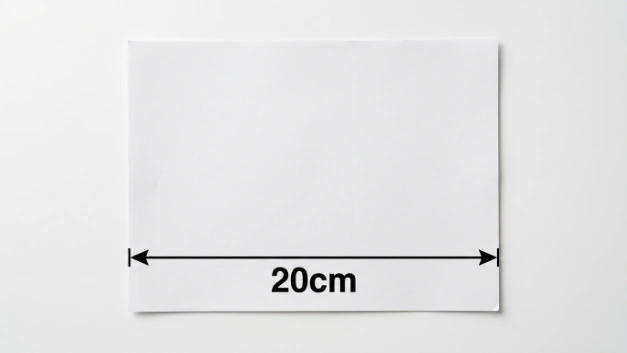
The shorter side of A4 paper measures exactly 21 cm, which is only about 1 cm longer than this measurement. Because of this small difference, A4 paper provides one of the best visual references.
A4 paper is widely used for printing documents, school assignments, and office work. Its standardized dimensions remain consistent worldwide.
If you look at the short edge of an A4 sheet, you can imagine removing about 1 cm to get very close to 20cm.
6. Chef’s Knife Blade
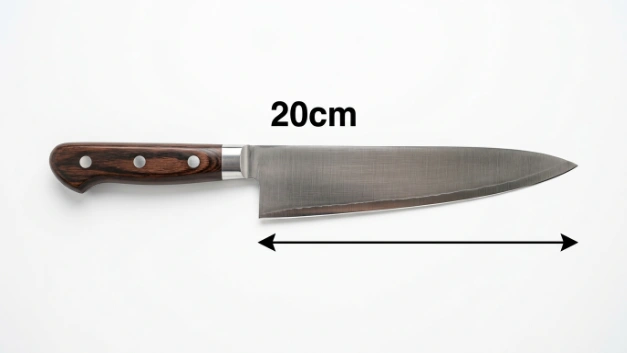
Many small and medium chef’s knives have blades around 20 cm long. The blade measurement usually refers only to the cutting edge, not including the handle.
Chef’s knives are common kitchen tools used for chopping vegetables, slicing meat, and preparing food. Their long straight blade creates a clear measurement comparison.
A knife blade near this size visually matches a 20cm distance. However, the total knife length including the handle is usually much longer.
7. Hair Brush
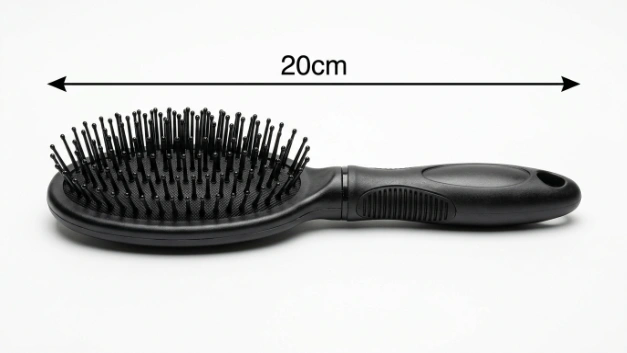
Compact hair brushes often measure around 18–23 cm from one end to the other. Smaller travel brushes and regular handheld brushes commonly fall near this range.
Hair brushes are everyday grooming tools found in homes, bags, and bathrooms. Their long shape makes them useful for comparing medium-sized measurements.
A typical handheld hair brush can look almost identical to this measurement when placed beside a ruler or measuring tape.
8. Rolling Pin Handle Section
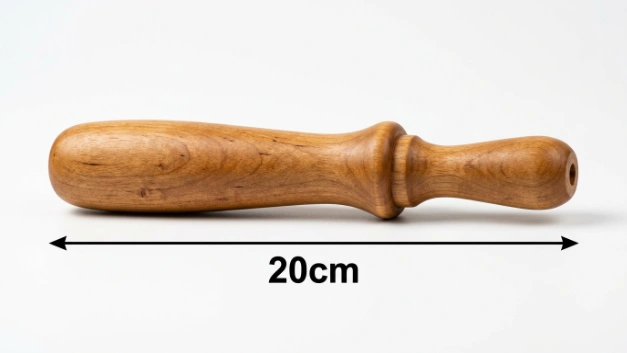
Some rolling pins have handles or grip sections close to 20 cm long. The exact size depends on the rolling pin design, but many traditional kitchen tools include sections around this length.
Rolling pins are used for flattening dough when preparing bread, cookies, and pastries. Their long cylindrical design makes measurement comparisons easy.
The handle area alone can provide a close visual reference for this size, even though the entire rolling pin is usually much longer.
9. Small Plush Toy
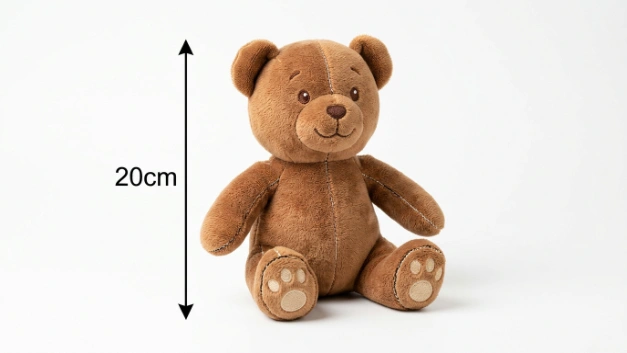
Small plush toys often have heights between 18–22 cm, especially compact stuffed animals designed for children or decoration.
These toys are commonly used as gifts, collectibles, or room decorations. Their soft shape may make exact measurement slightly different, but the overall height is usually close.
A small stuffed animal around this size can fit comfortably in one hand and provides a simple visual example of this measurement.
10. Decorative Candle
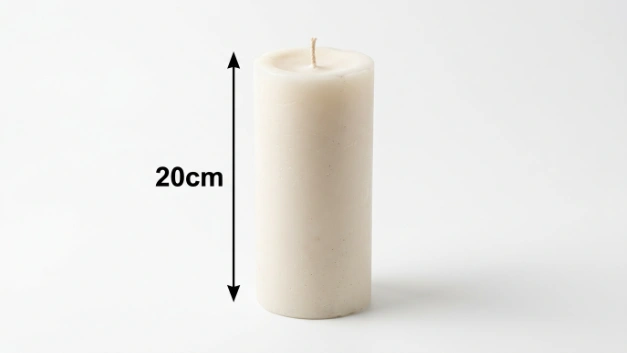
Many decorative candles have heights ranging from 18–22 cm, especially medium-sized pillar candles used for home decoration.
These candles are commonly placed on dining tables, shelves, and decorative stands. Their straight vertical shape makes height comparisons simple.
A decorative candle close to this size shows how tall a 20cm object appears in real life. It is similar in height to many everyday household items.
11. Paperback Book Height
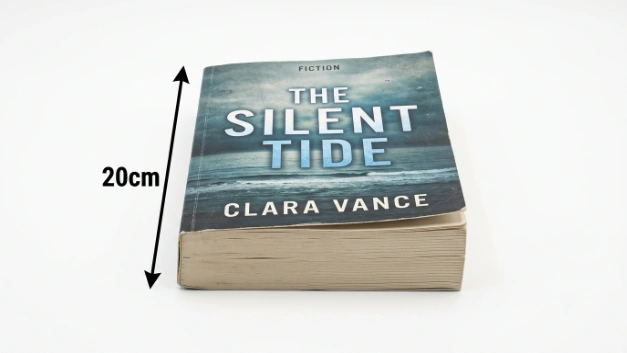
Most small paperback books measure around 19–21 cm in height. Standard novels are often close to this size, although larger editions may be taller.
Paperback books are common in homes, libraries, and schools. Their rectangular shape creates a reliable way to compare height measurements.
Looking at the shorter paperback editions can help visualize this length because their vertical edge is very close to 20cm.
12. Small Notebook Width
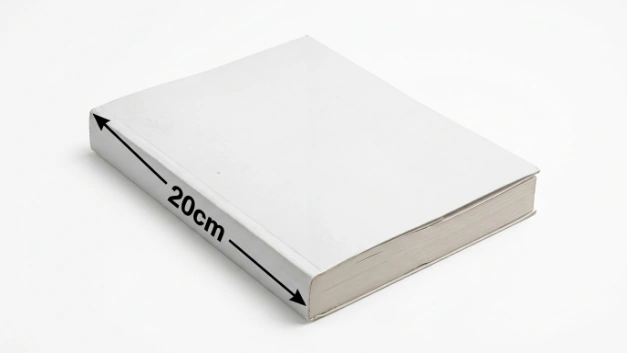
Compact notebooks usually have widths between 18–21 cm depending on the format. Many school and personal notebooks are designed around this size range.
Notebooks are everyday stationery items used for writing notes, planning, and studying. Their flat rectangular shape makes measurements easy to understand.
A small notebook placed sideways can provide a close visual comparison because its width often matches this measurement.
13. Standard Kitchen Spatula Length
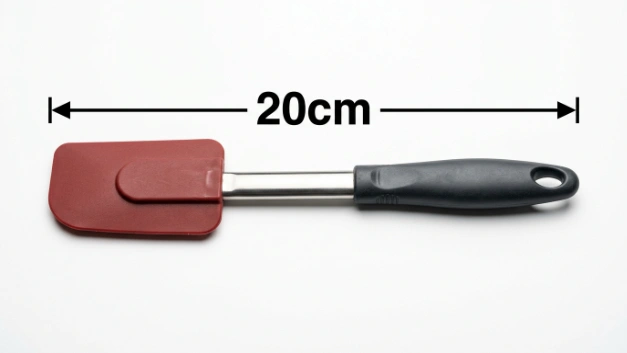
Small kitchen spatulas and turners can measure around 20 cm long, especially compact versions designed for smaller cookware.
These utensils are commonly used for flipping food, cooking eggs, and preparing meals. Their simple straight design makes them easy to compare with measured distances.
A compact spatula placed on a countertop can appear almost the same length as a 20cm ruler section.
14. Small Water Bottle Height
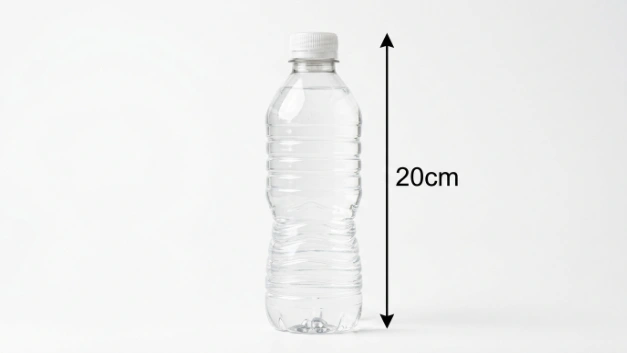
Small water bottles often have heights around 18–22 cm depending on their capacity and shape. Many compact bottles designed for bags or desks fall within this range.
These bottles are commonly used for travel, school, offices, and outdoor activities. Their vertical height creates a useful comparison for this measurement.
A small bottle standing upright gives a realistic idea of how tall this distance looks in everyday situations.
15. Eyeglasses Case Length
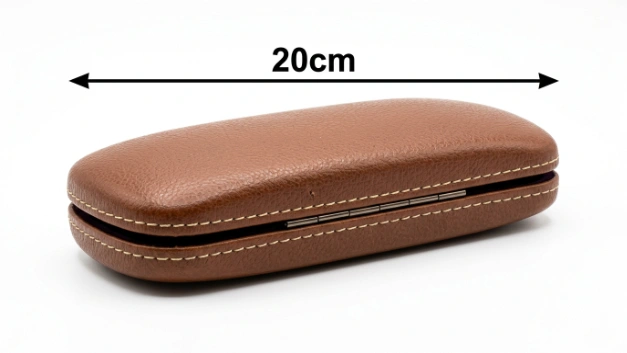
Most standard eyeglasses cases measure around 18–21 cm long. The size allows them to protect different styles of glasses while remaining portable.
Eyeglasses cases are commonly carried in bags, drawers, and vehicles. Their slim rectangular shape makes them easy to compare with a straight measurement.
A typical glasses case is very close to this length, making it another practical object for visualizing 20 centimeters.
Helpful Ways to Understand This Measurement in Daily Life
Understanding measurements becomes easier when you connect numbers with objects you regularly see. Instead of relying only on conversions, comparing this length with household items creates a stronger visual memory.
Useful comparison methods include:
- Use kitchen items: Forks, spatulas, and knife blades often provide close examples because their sizes are standardized.
- Compare stationery: A4 paper, notebooks, and paperback books help visualize this length through familiar rectangular shapes.
- Look at electronics: Small tablets and remote controls often fall near this measurement range.
- Use natural objects: Large fruits like bananas provide simple visual references without needing tools.
- Check personal accessories: Glasses cases and grooming tools often have similar dimensions.
These comparisons make it easier to estimate size when measuring tools are unavailable. For most everyday situations, recognizing these familiar objects is enough to create an accurate mental picture.
Read: How Long Is an Inch?
Read: How Big Is 2mm?
Read: How Big Is 8mm?
Read: How Big Is 5mm?
Read: How Big Is 3mm?
Read: How Long Is 2 Inches?
Read: How Long Is 4 Inches?
Read: How Long Is 6 Inches?
Read: How Long Is 5 Inches?
Read: How Long Is 10 Inches?
Frequently Asked Questions
Is 20cm close to 8 inches?
Yes, 20cm is very close to 8 inches. The exact conversion is 7.87 inches, so the difference is only about 0.13 inches. For everyday comparisons, people often round it to approximately 8 inches.
What common object is about 20cm long?
A dinner fork, large banana, small tablet width, and many TV remote controls are close to this length. These objects provide simple references because they are commonly found in homes.
How can I measure 20cm without a ruler?
You can estimate it by comparing objects with known sizes, such as the short side of A4 paper, which is 21cm, or a standard dinner fork that is usually around the same length.
Is 20cm considered a large measurement?
No, 20cm is considered a small-to-medium everyday measurement. It is longer than many handheld objects but much shorter than items like rulers, bookshelves, or furniture dimensions.
What does 20cm look like in real life?
It looks similar to the length of a large banana, a standard fork, or a compact remote control. These objects provide a practical way to visualize this distance.
Conclusion
How Big Is 20cm can be understood easily when compared with familiar objects like forks, bananas, books, and household tools. This measurement equals 7.87 inches and represents a size commonly found in everyday items.
The best way to remember this length is to connect it with objects you see regularly. A large banana, dinner fork, or A4 paper edge can quickly help you estimate this measurement without needing a ruler.