Quick Answer:
6 inches equals 15.24 cm, 152.4 mm, or 0.5 feet. This length is similar to everyday items like a large smartphone, pencil, or small notebook.
When people search How Long Is 6 Inches, they usually want more than a simple number. They want to understand what this measurement actually looks like in real life and how it compares with familiar objects around them. Visualizing a length is often easier when it is connected to items we see and use every day.
Understanding this size can be useful for shopping, crafting, product selection, home projects, and estimating dimensions without a measuring tool. Real-world comparisons make it easier to judge whether something is small, medium, or large.
In this guide, you will learn the exact conversion of this measurement, how it looks visually, and which common objects are close to this length. These examples will help you create a clear mental picture without needing a ruler.
6 Inches Conversion Chart
Quick and accurate measurement conversions
| Unit | Converted Value |
|---|---|
| Feet | 0.5 ft |
| Centimeters | 15.24 cm |
| Millimeters | 152.4 mm |
| Meters | 0.1524 m |
How Long Is 6 Inches?
Six inches is a common length measurement equal to half of one foot. In metric units, it measures 15.24 centimeters or 152.4 millimeters. This size falls into the range of many everyday objects, making it a useful reference point for visual comparisons.
A length of this size is not extremely small, but it is also far from being large. Many handheld items, personal accessories, and household tools are designed around similar dimensions. For example, some phones, kitchen tools, and stationery items are close to this measurement.
Understanding this dimension becomes easier when you compare it with objects you already know. Instead of imagining a number, you can picture the width of a smartphone, the length of a dollar bill, or a common writing tool.
How Big Is 6 Inches Visually?
Visually, this measurement is about the size of an adult hand from the base of the palm to the tip of the fingers for many people. It can also appear similar to the shorter side of several everyday objects found at home or in an office.
Some objects around this size include a standard pencil, a large smartphone width, a small notebook height, and a kitchen knife blade. These comparisons make it easier to estimate the distance without using a measuring tape.
A few examples of how this length appears in daily life:
- A large smartphone is often around this width, making it a familiar comparison for many people.
- A standard pencil is usually slightly longer but provides a close visual reference.
- A US dollar bill is about 6.14 inches long, almost matching this measurement.
- A small paperback book can have a similar width.
- Many kitchen tools and personal items are designed near this size.
These examples show that this measurement fits comfortably within the range of common objects people handle every day.
Common Objects That Are About 6 Inches Long
| Object | Approximate Length | How It Compares |
|---|---|---|
| Standard Pencil Length | 7–7.5 inches | A little longer than this measurement but one of the easiest everyday comparisons. |
| US Dollar Bill Length | 6.14 inches | Almost exactly the same length, making it a very accurate visual reference. |
| Large Smartphone Width | 6–6.5 inches | Many larger smartphones have a width close to this size. |
| Kitchen Knife Blade Length | 6 inches | A small kitchen knife blade often matches this measurement. |
| Medium TV Remote Control Length | 6–7 inches | Compact remote controls are commonly around this range. |
| Adult Hand Width (Palm to Fingertip) | Around 6 inches | Many adults have a hand length close to this measurement. |
| Half of a Standard Ruler | 6 inches | Exactly half of a standard 12-inch ruler. |
| Paperback Book Width | 5–6 inches | Many smaller paperback books have a similar width. |
| Standard Toothbrush Length | 6–7 inches | Most regular toothbrushes are close to this size. |
| Hair Comb Length | 6 inches | Small and medium combs often match this measurement. |
| Full-Size Makeup Brush Length | 5.5–7 inches | Many makeup brushes fall within this range. |
| Small Notebook Height | 5–6 inches | Pocket notebooks often have a similar height. |
| Dessert Fork Length | 6 inches | Many smaller forks are close to this length. |
| Folded Sunglasses Length | 6 inches | Compact folded sunglasses can match this size. |
| Large Sandwich Length | 6 inches | A small sub sandwich is commonly around this length. |
| Compact Makeup Mirror Width | 5–6 inches | Travel mirrors often have a similar width. |
| Small Kitchen Spatula Handle Length | 6 inches | Small cooking tools may have handles around this size. |
| Photo Print Width | 6 inches | A 4×6 photo has a longer side measuring 6 inches. |
| PVC Pipe Segment Length | 6 inches | Short pipe sections are commonly sold in this size. |
| Small Water Bottle Width | 5–6 inches | Compact bottles can have a similar diameter or width. |
What Does 6 Inches Look Like?
This length appears in many everyday objects that people use regularly. A smartphone placed sideways, a dollar bill, or a small notebook can give a clear idea of how this size looks in real life.
You can also compare it with common household items like toothbrushes, kitchen tools, and stationery. These familiar objects make it easier to estimate this measurement without needing a ruler.
1. Standard Pencil Length
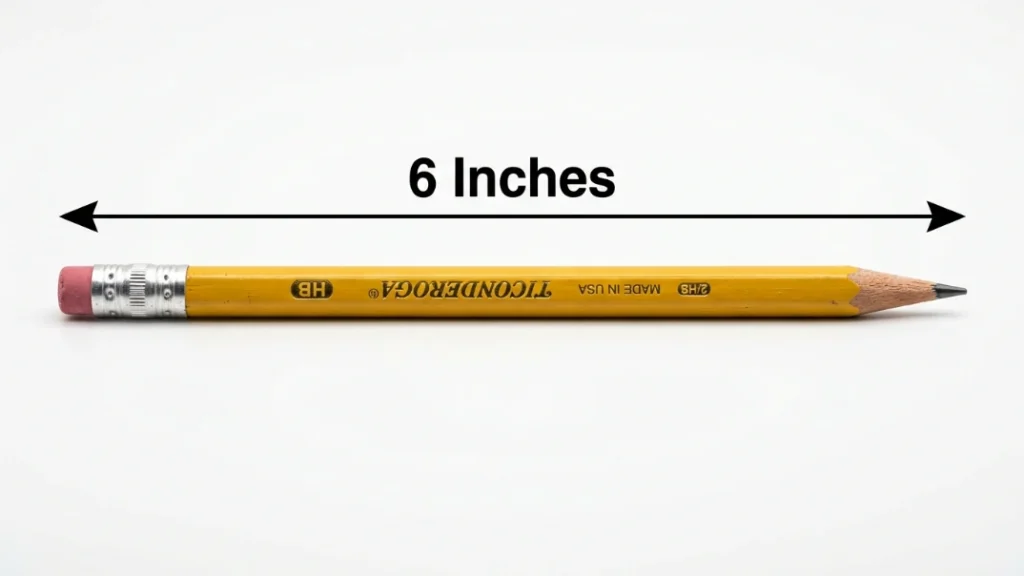
A standard pencil is usually around 7 to 7.5 inches long (17.8–19 cm), making it slightly longer than this measurement. A new, full-sized pencil provides a close visual reference because its slim shape makes the length easy to judge.
Pencils are common school, office, and household items used for writing, drawing, and marking. Almost everyone has handled a pencil, which makes it one of the easiest objects to compare when estimating length.
Although a pencil is slightly longer, imagining the first 1 to 1.5 inches removed gives a very close idea of this size. It works as a simple everyday reference for understanding the measurement.
2. US Dollar Bill Length
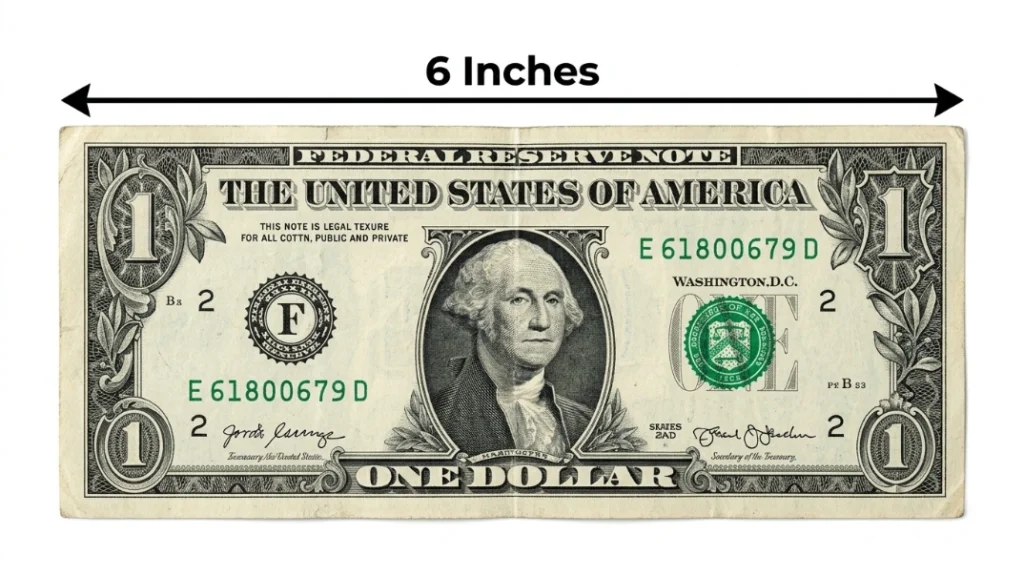
A US dollar bill is approximately 6.14 inches long (15.6 cm), which is almost the same as this measurement. Because the difference is only a small fraction of an inch, a dollar bill is one of the most accurate everyday comparisons.
Dollar bills are commonly used for shopping, payments, and financial transactions, making them a familiar object for many people. Its rectangular shape also makes it easy to compare length visually.
If you hold a dollar bill from one end to the other, you are looking at a size very close to this measurement. It is one of the simplest ways to estimate this length without using a ruler.
3. Large Smartphone Width
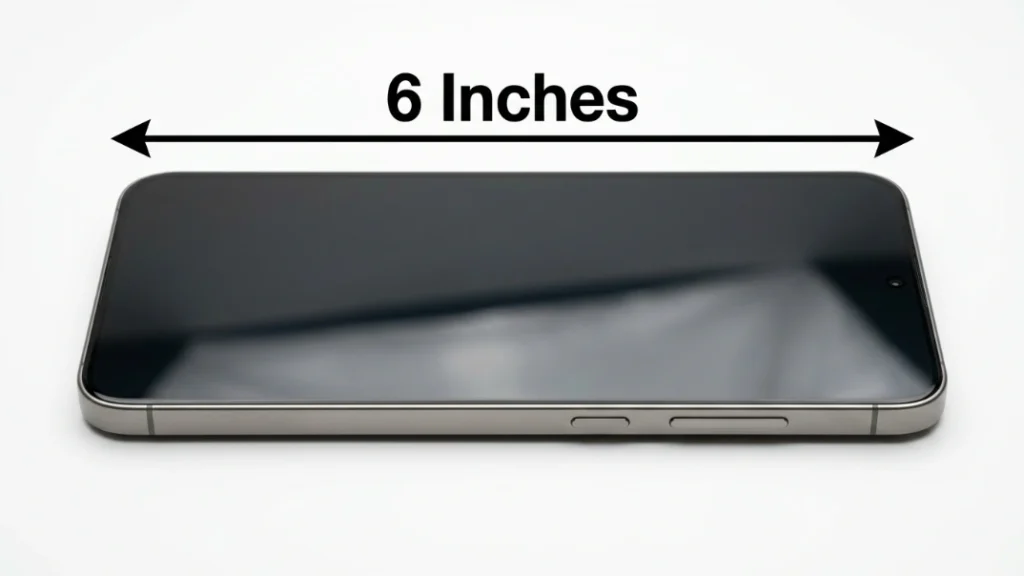
Large smartphones usually have a width between 5.8 and 6.5 inches (14.7–16.5 cm), depending on the model. Many modern phones placed horizontally are close to this measurement, making them a useful visual comparison.
Smartphones are everyday devices used for communication, browsing, photography, and entertainment. Their compact rectangular design allows users to easily understand dimensions through handling and viewing.
A large phone held sideways can give a good idea of this size. The width of the device is often very close, helping people visualize the measurement quickly.
4. Kitchen Knife Blade Length
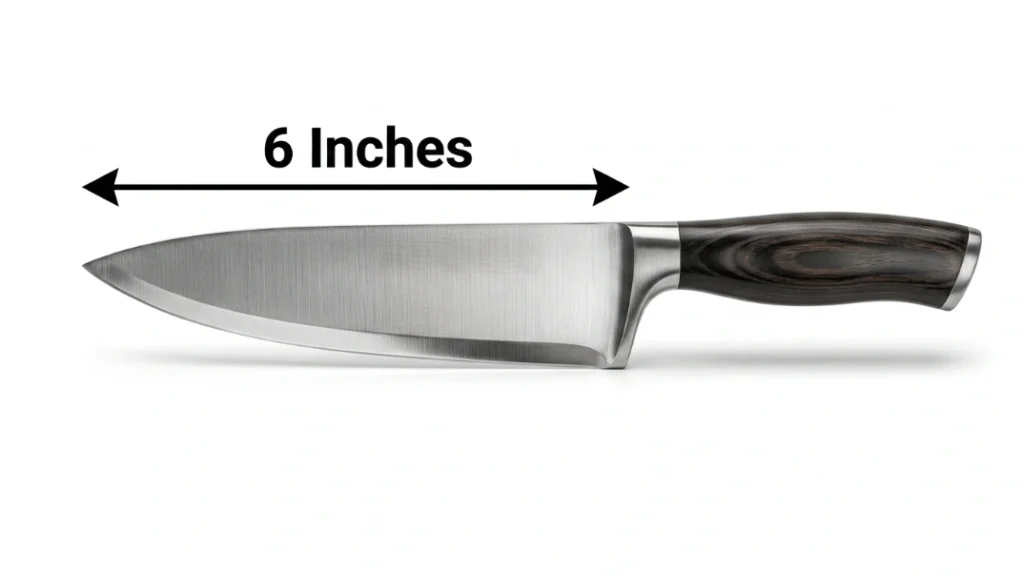
A small kitchen knife blade is often around 6 inches long (15.24 cm), although sizes can vary depending on the knife type. This length is common for smaller utility knives used for everyday food preparation.
Kitchen knives of this size are practical for cutting fruits, vegetables, and other ingredients. Their manageable blade length provides a good balance between control and usefulness.
Looking at a compact kitchen knife blade gives a realistic example of this measurement. The cutting edge alone is often close to the same length, making it easy to picture.
5. Medium TV Remote Control Length
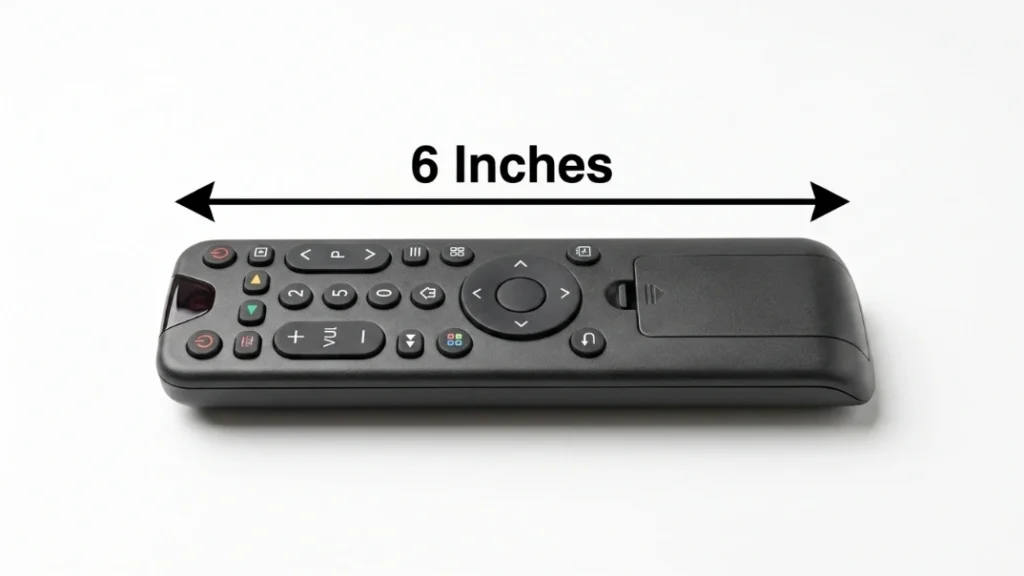
Many medium-sized TV remote controls measure around 6 to 7 inches long (15.24–17.78 cm). Compact remotes often fall close to this range, making them another familiar household comparison.
Remote controls are found in most homes and are designed to fit comfortably in the hand. Their slim rectangular shape makes their length easy to compare visually.
A remote control that is slightly shorter than many standard models can closely represent this measurement. Holding one in your hand provides a practical size reference.
6. Adult Hand Width (Palm to Fingertip)
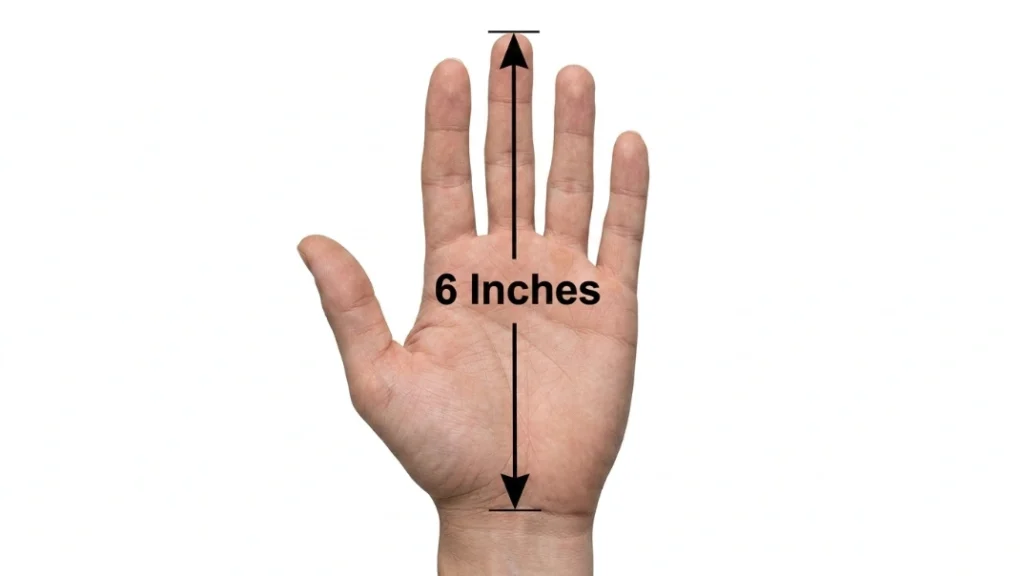
For many adults, the distance from the bottom of the palm to the tip of the middle finger is around 6 to 7 inches (15.24–17.78 cm). Hand size varies between individuals, but it provides a natural body-based comparison.
Hands are always available as a measuring reference, which makes them useful when estimating length without tools. Many people naturally understand distances by comparing them with their own hands.
Stretching your hand from the wrist area to the fingertip can give a close visual idea of this measurement. It is a simple and practical way to estimate size anywhere.
7. Half of a Standard Ruler
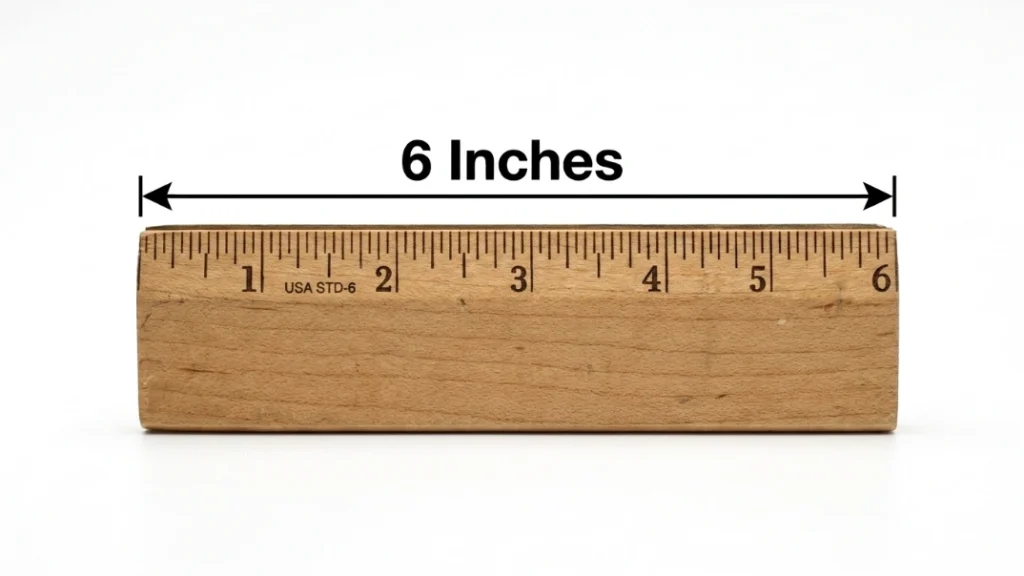
A standard ruler is usually 12 inches long (30.48 cm), so half of it measures exactly 6 inches (15.24 cm). This makes a ruler one of the most accurate references for understanding this length.
Rulers are commonly used in schools, offices, workshops, and craft projects to measure objects. Since most people are familiar with a 12-inch ruler, dividing it into two equal parts is an easy way to imagine this size.
If you picture the first half of a standard ruler, you are looking at this exact measurement. It is one of the simplest ways to visualize the distance with perfect accuracy.
8. Paperback Book Width

Many small paperback books have a width of around 5 to 6 inches (12.7–15.24 cm), depending on the book format. Compact novels, manuals, and pocket-sized books often come close to this dimension.
Paperback books are commonly found in homes, libraries, and bookstores. Their rectangular shape makes their width easy to compare with other everyday objects.
A smaller paperback held in your hand can provide a close visual example. The front cover width is often near this measurement, helping you understand the size naturally.
9. Standard Toothbrush Length
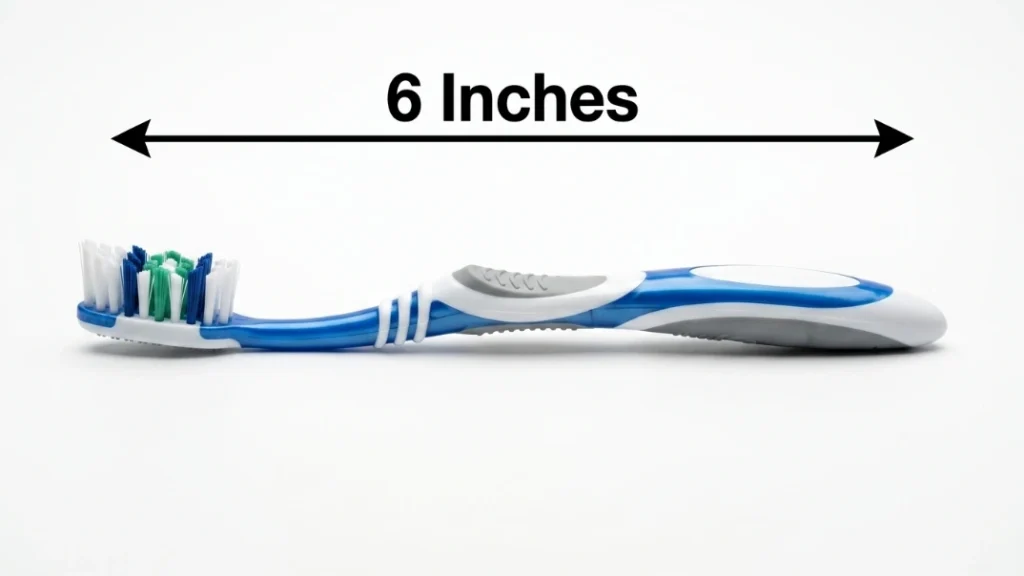
A standard toothbrush is usually between 6 and 7 inches long (15.24–17.78 cm), making it very close to this measurement. Most adult toothbrushes are designed within this range for comfortable use.
Toothbrushes are common personal care items found in almost every household. Their familiar size and slim shape make them a useful object for quick length comparisons.
Placing a toothbrush next to a ruler or another object shows that its total length is often close to this measurement. It provides an easy everyday reference.
10. Hair Comb Length
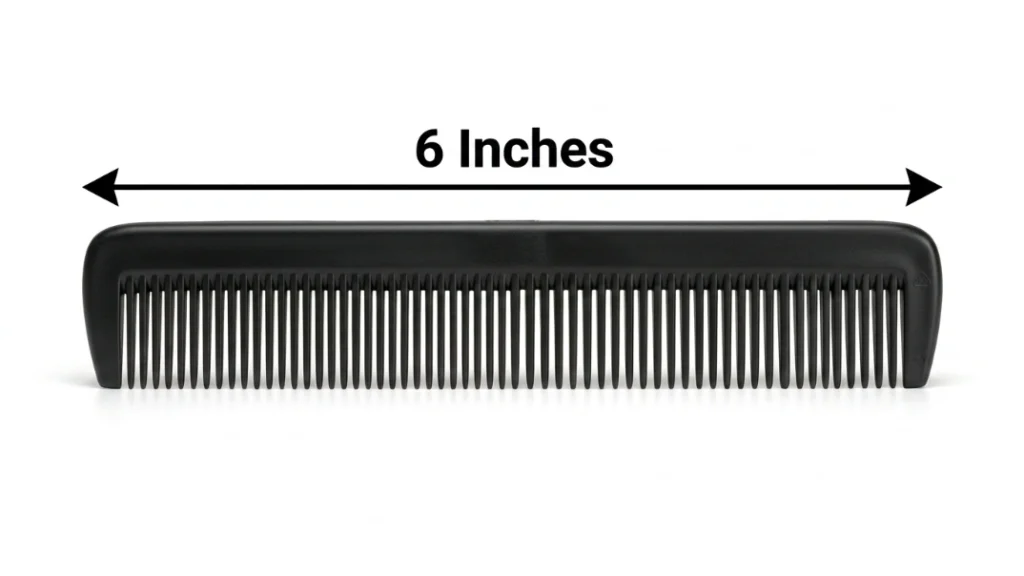
A typical small or medium hair comb is around 6 inches long (15.24 cm), although larger styling combs may be longer. Compact combs commonly match this size because they are designed to be portable.
Combs are everyday grooming tools used at home, salons, and while traveling. Their straight shape makes it simple to compare their length with other objects.
A comb measuring about 6 inches gives a nearly exact representation of this measurement. Holding one in your hand can help create a quick mental picture.
11. Full-Size Makeup Brush Length
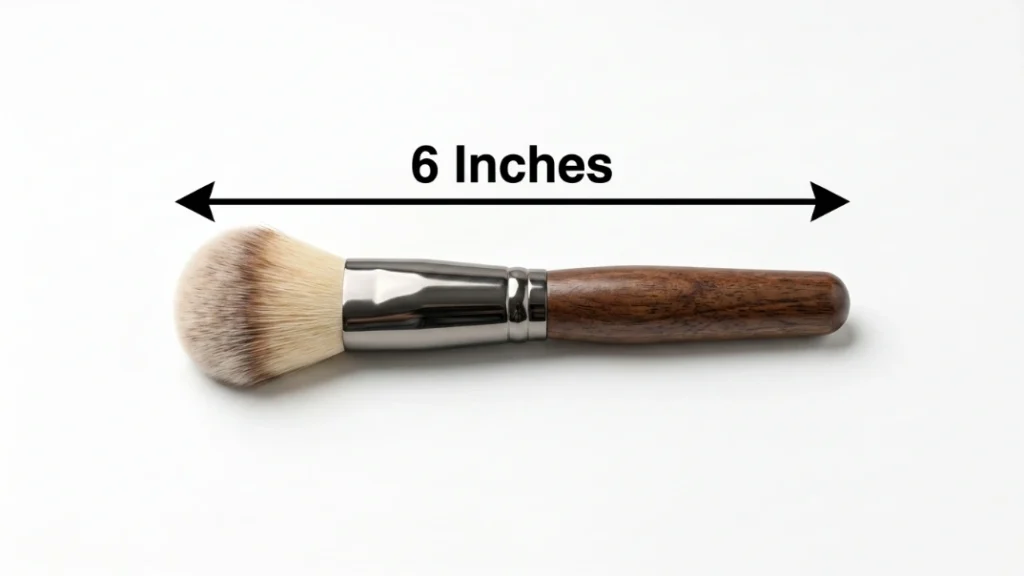
A full-size makeup brush usually measures between 5.5 and 7 inches long (14–17.8 cm), depending on the brush type and handle design. Many common face and powder brushes are close to this range.
Makeup brushes are used for applying foundation, powder, blush, and other cosmetics. Their comfortable handle size allows users to control the tool easily during application.
A medium makeup brush can be a helpful comparison because its handle length often matches this measurement. It gives a realistic example of how long this size feels in the hand.
12. Small Notebook Height
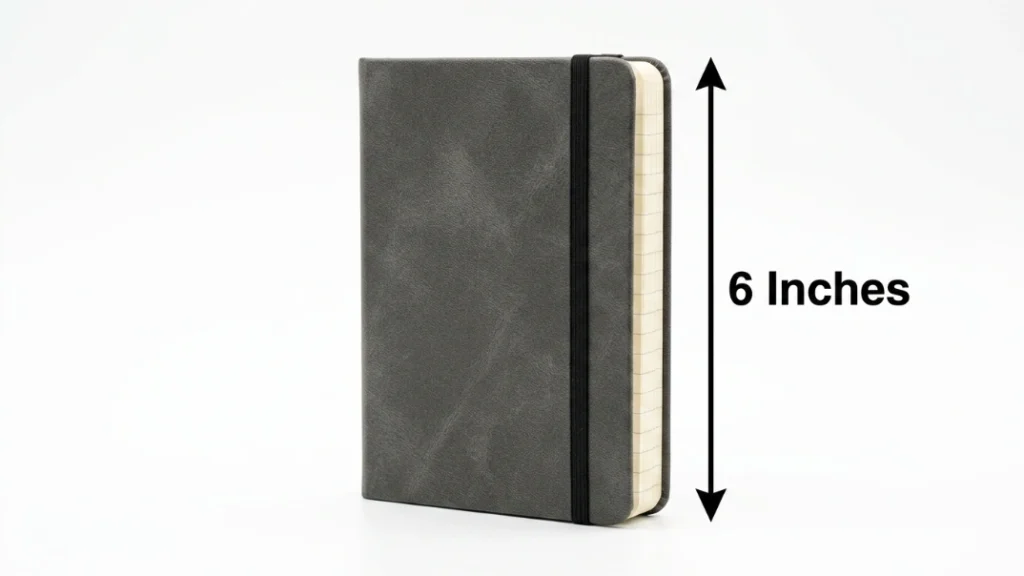
A small notebook is often around 6 inches tall (15.24 cm), especially pocket-sized journals, memo pads, and compact writing notebooks. Some notebooks may be slightly taller or shorter depending on their format and purpose.
Small notebooks are commonly used for taking notes, making lists, journaling, and carrying ideas while traveling. Their compact size allows them to fit easily into bags, desks, and drawers.
Looking at the height of a small notebook provides a simple way to visualize this measurement. The top-to-bottom distance of many compact notebooks is very close to this length.
13. Dessert Fork Length
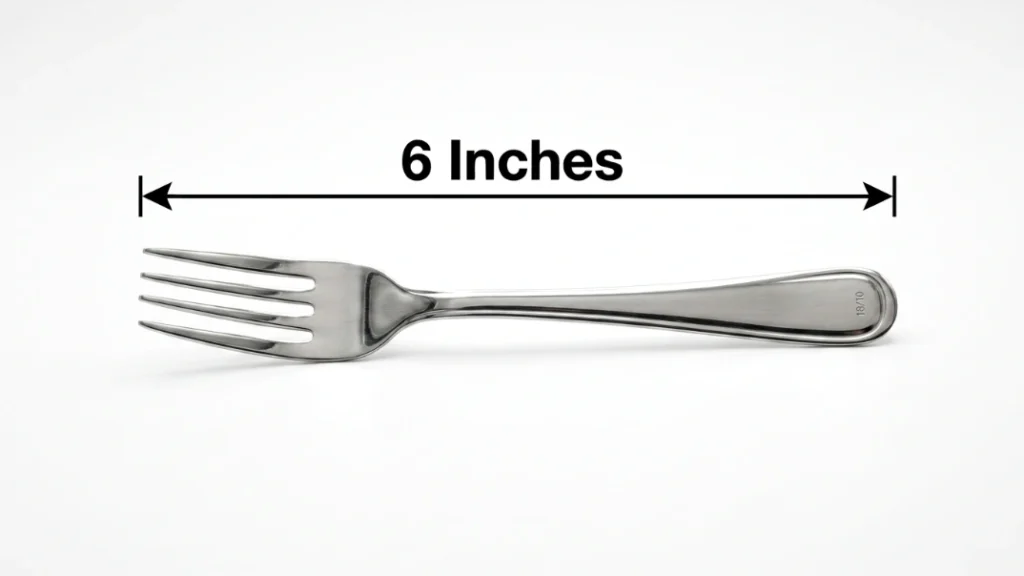
A dessert fork typically measures around 6 to 7 inches long (15.24–17.78 cm), depending on the design and style. Smaller forks used for cakes, pastries, and desserts often fall near this measurement.
Dessert forks are common in kitchens, restaurants, and dining settings. Their smaller size compared with regular dinner forks makes them a useful reference for understanding shorter lengths.
A dessert fork placed next to other household items can give a good idea of this size. Its handle and prongs together create a length close to this measurement.
14. Folded Sunglasses Length
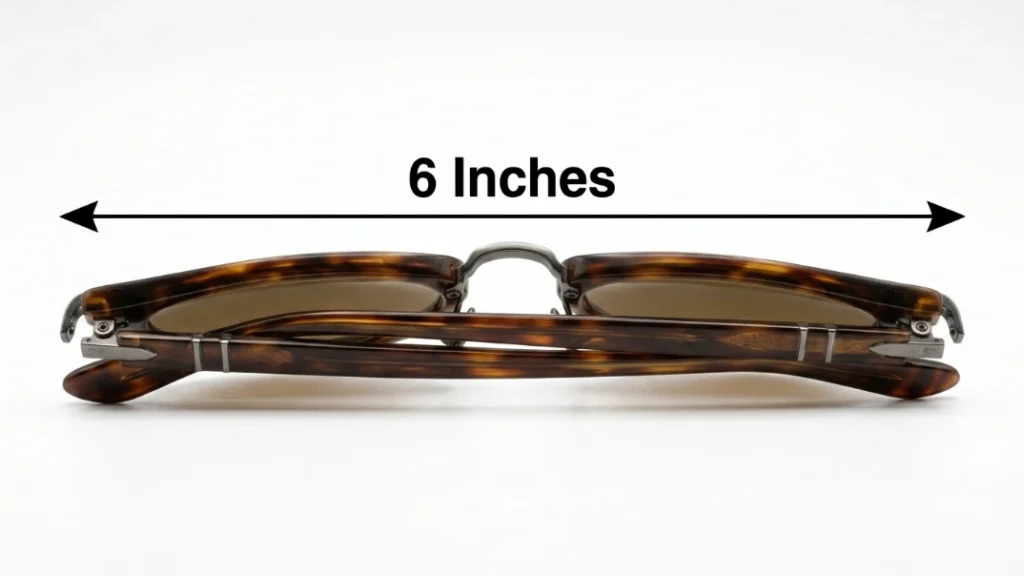
When folded, many sunglasses measure around 5.5 to 6.5 inches long (14–16.5 cm), depending on the frame design. The folded arms and frame create a compact shape close to this measurement.
Sunglasses are everyday accessories used for outdoor activities, driving, travel, and fashion. Their portable design requires them to be small enough to store while still fitting comfortably on the face.
A folded pair of sunglasses can be an excellent visual comparison. The overall length from one end of the frame to the opposite side is often very close to this size.
15. Large Sandwich Length
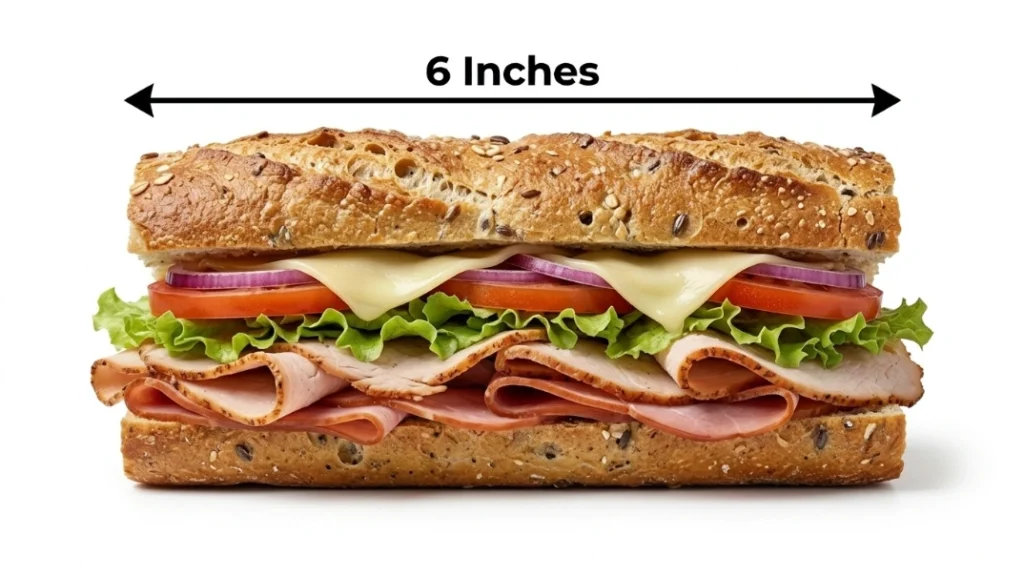
A large sandwich is often around 6 inches long (15.24 cm), especially standard sub-style sandwiches or compact deli sandwiches. Exact sizes vary depending on the bread type and preparation style.
Sandwiches are familiar food items found in homes, restaurants, and lunch boxes. Their rectangular shape makes them easy to compare with common measurements.
A sandwich that measures around this length gives a practical visual example. Imagining this size can help people understand the distance in a simple everyday context.
16. Compact Makeup Mirror Width
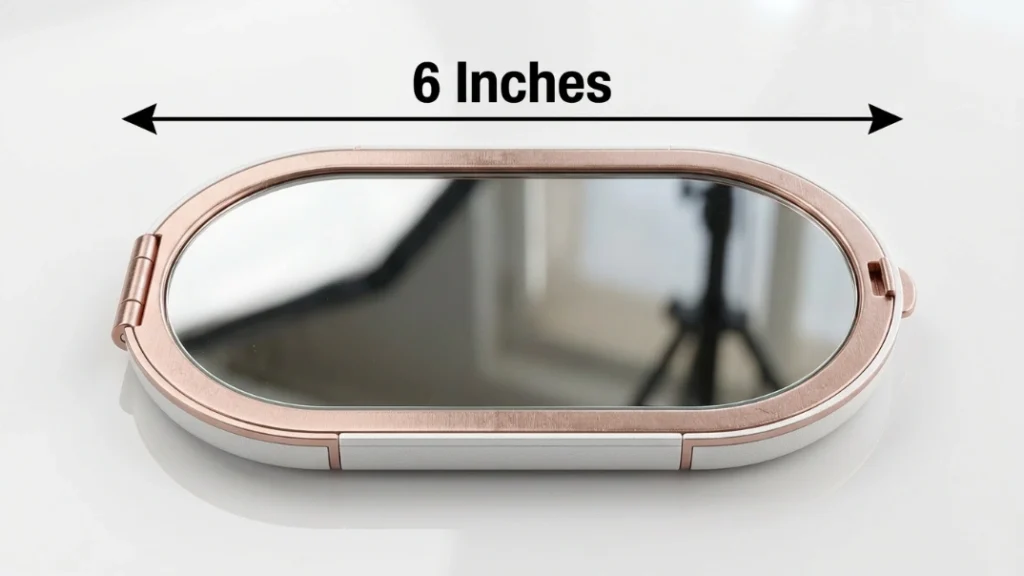
A compact makeup mirror usually has a diameter or width of around 5 to 6 inches (12.7–15.24 cm). Many travel-sized mirrors are designed within this range for portability.
Compact mirrors are commonly carried in purses, bags, or stored in bedrooms and bathrooms. Their circular or square shape makes their overall size easy to recognize.
A small makeup mirror close to this width provides another useful comparison. Its edge-to-edge measurement can closely represent this length.
17. Small Kitchen Spatula Handle Length
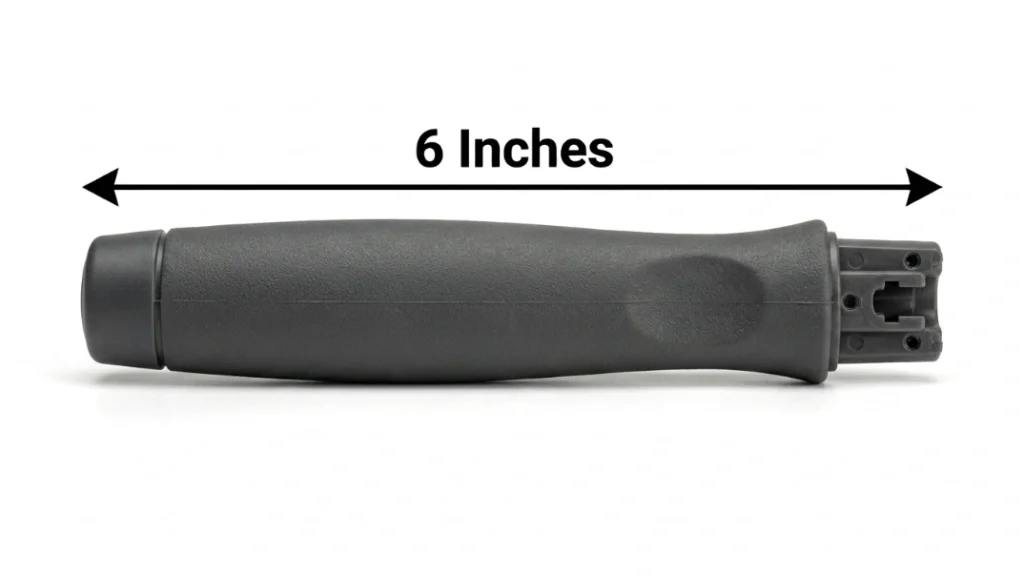
A small kitchen spatula handle is often around 6 inches long (15.24 cm), excluding the wider cooking surface. Compact spatulas and turners frequently use handles in this range for easy control.
These kitchen tools are used for cooking tasks like flipping eggs, pancakes, and small foods. Their handle size is designed to provide comfort while keeping the tool easy to store.
Looking only at the handle length gives a close visual reference for this measurement. It represents a common size found in everyday kitchen equipment.
18. Photo Print Width
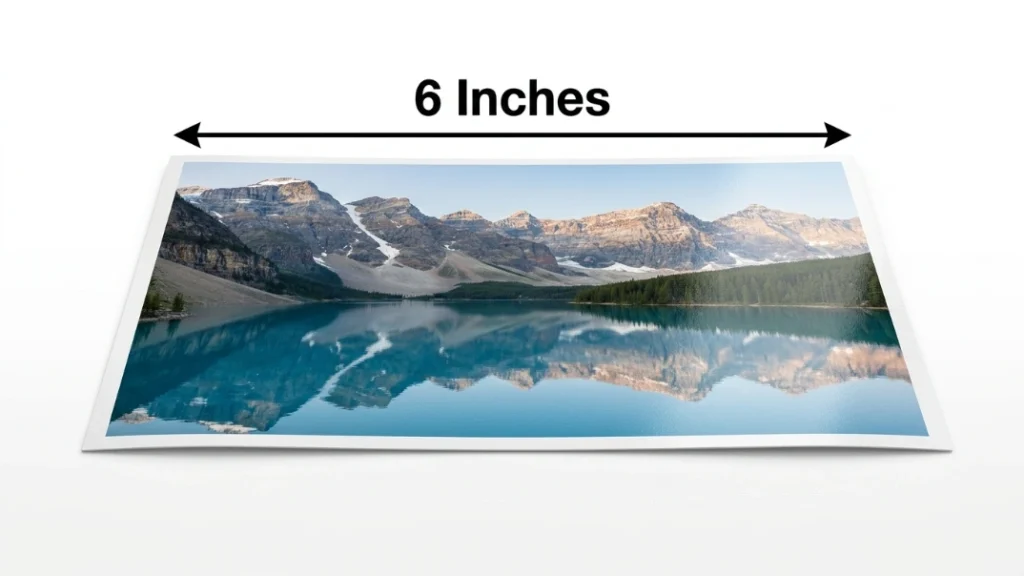
A small photo print can have a width close to 6 inches (15.24 cm), especially common photo sizes such as 4 × 6 inch prints. The longer side of a standard 4 × 6 photo is exactly 6 inches, making it an accurate comparison.
Photo prints are commonly used for albums, frames, gifts, and personal memories. Their familiar rectangular shape makes it easy to understand this measurement without needing a measuring tool.
A standard 4 × 6 photo held in your hand provides a nearly exact visual example. The longer edge represents this length perfectly and is one of the easiest comparisons to recognize.
19. PVC Pipe Segment Length
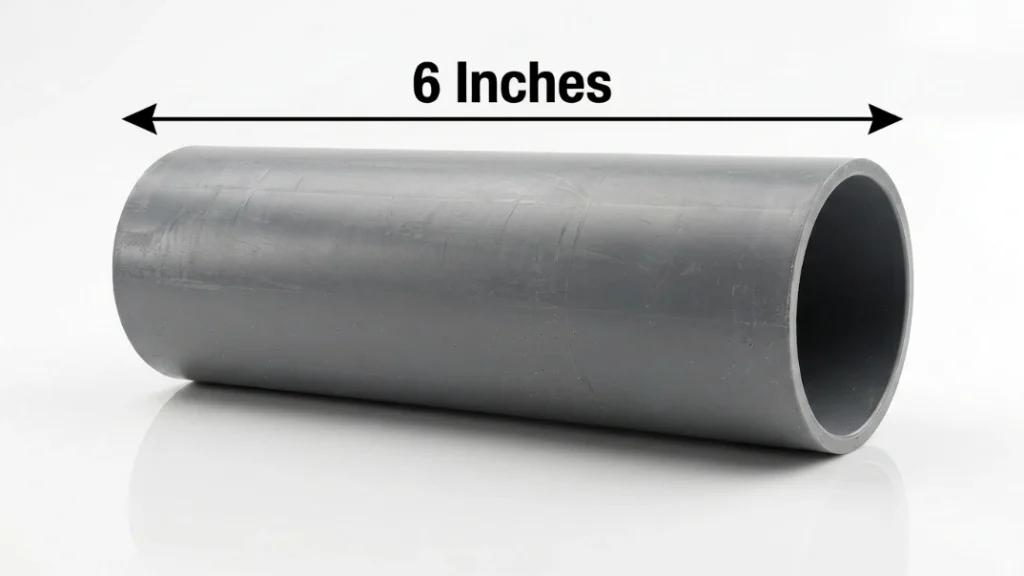
A short PVC pipe segment can measure around 6 inches long (15.24 cm), especially pieces used for small repairs, models, or plumbing demonstrations. The exact size depends on the project and pipe purpose.
PVC pipes are commonly used in plumbing, construction, gardening, and DIY projects. Small cut sections are often measured in short lengths like this for easy installation and handling.
A six-inch pipe piece gives a clear physical example of this measurement. Its straight cylindrical shape makes the length easy to imagine when comparing it with other objects.
20. Small Water Bottle Width
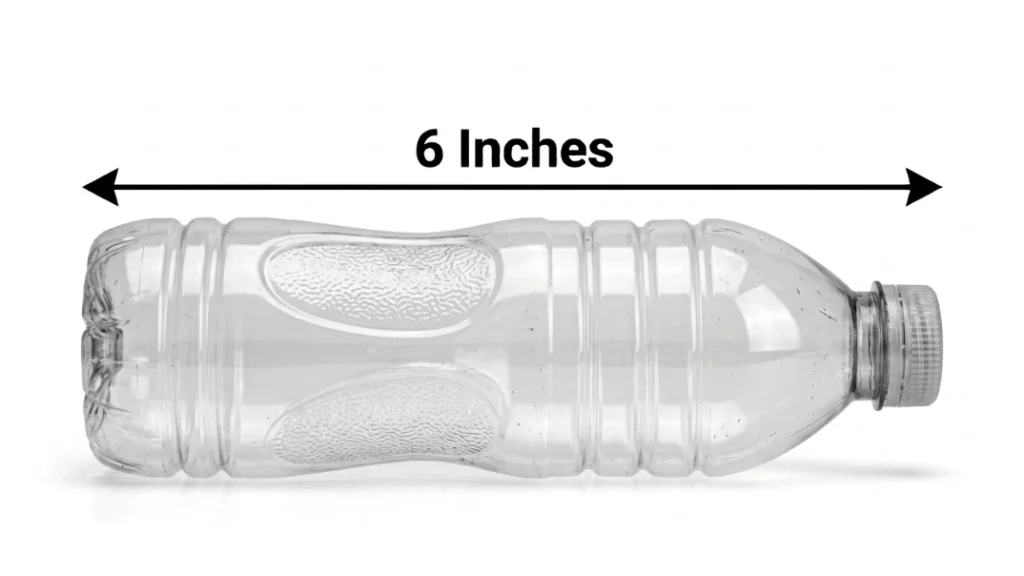
A compact water bottle may have a width or diameter close to 3 inches, but some wider bottles can approach 5 to 6 inches in height or body dimensions. The exact measurement depends on the bottle shape and design.
Small bottles are common in travel bags, offices, schools, and gyms. Their familiar size makes them useful for visual comparisons, especially when considering portable products.
A wider or shorter bottle design can help represent this measurement. Comparing it with your hand or nearby objects makes the size easier to estimate.
More Everyday Items Around 6 Inches
Many other everyday objects also come close to this length but are not included in the previous examples. These items provide additional visual references and help readers recognize this measurement in different situations.
| Object | Approximate Length | How It Compares |
|---|---|---|
| Eyeglasses Case | 6 inches | A typical glasses case is often close to this length and provides a simple portable comparison. |
| Small Craft Scissors | 5–6 inches | Compact scissors used for crafts and school projects are usually near this size. |
| Computer Mouse Length | 5–6 inches | Many standard computer mice are close to this measurement from front to back. |
| Small Flashlight | 6 inches | Compact flashlights often match this length and are easy to compare by hand. |
| Kitchen Tongs (Mini Size) | 6 inches | Short cooking tongs commonly use handles around this length for convenience. |
| Travel Hair Straightener | 6 inches | Mini styling tools often have a compact body close to this size. |
| Small Remote Control Battery Cover | 5–6 inches | Some removable covers on electronics are similar in length. |
| Index Card Long Side | 6 inches | A standard index card measures 6 inches on its longer side. |
These additional objects help create a stronger visual understanding because they come from different areas of daily life. Comparing multiple familiar items makes it easier to estimate this measurement without using a ruler.
How to Visualize 6 Inches Without a Ruler?
You can estimate this length by comparing it with familiar objects like a US dollar bill, half of a standard ruler, a large smartphone, or your hand. These everyday references make it easier to understand the size without using a measuring tool.
For a better estimate, compare multiple objects instead of relying on just one example. Different shapes and designs can make an object appear larger or smaller, so using more than one reference gives a clearer idea of the measurement.
Common Mistakes When Estimating 6 Inches
Estimating this length by sight can sometimes be inaccurate because objects may look similar while having different dimensions. People often confuse width with length or judge size incorrectly because of an object’s shape and viewing angle.
To get a better estimate, use familiar references like a dollar bill, ruler section, or common household items. Comparing several objects together helps create a more accurate understanding of the measurement.
Why 6 Inches Is a Common Product Size
This measurement is widely used in product design because it offers a practical balance between comfort, portability, and functionality. Many everyday items are made around this size because they can fit easily in the hand while still providing enough space to work effectively.
Products such as smartphones, grooming tools, stationery items, and kitchen accessories often use similar dimensions. This makes the measurement common across many industries and helps manufacturers create objects that are easy to carry, store, and use.
Helpful Tips for Understanding 6 Inches
Visual comparisons are one of the easiest ways to understand a measurement without physically measuring it. Everyday objects can act as simple references and help you estimate size more confidently.
- Use familiar objects: Compare the length with items like a dollar bill, smartphone, or small notebook for a quick estimate.
- Check multiple references: Using more than one object helps avoid mistakes caused by different shapes and designs.
- Think in halves: A standard 12-inch ruler divided into two equal parts gives an exact reference.
- Use body measurements: Your hand length can provide a rough comparison, although sizes vary between people.
These simple methods make it easier to visualize measurements in daily situations, especially when a ruler or measuring tape is not available.
Read: How Long Is 30 Feet
Read: How Long Is 8 Inches
Read: How Long Is 7 Inches
Read: How Long Is 10 Inches
Read: How Long Is 5 Inches
Frequently Asked Questions
How long is this measurement in centimeters?
This measurement equals 15.24 centimeters or 152.4 millimeters. It is a common size found in many everyday objects, making it easy to visualize through familiar items.
Is 6 inches considered a long measurement?
No, this is generally considered a short to medium length. It is larger than many small objects but much shorter than common measurements like one foot or a ruler.
What everyday object is closest to this length?
A US dollar bill is one of the closest examples because it measures about 6.14 inches long. A large smartphone width, small notebook, or compact comb can also provide a similar comparison.
Can I measure this length using my hand?
Yes, many adults have a hand length close to this size from the base of the palm to the fingertip. However, hand sizes vary, so it should only be used as an estimate.
Why is this measurement commonly used?
This size is popular because it works well for portable products. Many tools, accessories, electronics, and personal items use similar dimensions because they are comfortable to hold and easy to carry.
Conclusion
How Long Is 6 Inches is best understood by comparing it with familiar objects rather than only looking at the number. This measurement equals 15.24 cm and appears in many everyday items such as dollar bills, smartphones, notebooks, and household tools.
The easiest way to visualize this size is to use common references around you. Whether you compare it with a ruler section, a personal item, or a hand measurement, these examples help create a clearer understanding of the distance in real life.