

Quick Answer
An inch is equal to 2.54 centimeters, 25.4 millimeters, 0.0833 feet, or 0.0254 meters. This measurement is about the width of a U.S. quarter coin or the diameter of a standard bottle cap.
Most people don’t carry a ruler everywhere, so understanding the size of an inch often comes down to comparing it with familiar everyday objects. Whether you’re measuring furniture, checking product dimensions, working on a DIY project, or simply satisfying your curiosity, being able to picture this small measurement makes many tasks easier.
Although an inch is one of the most commonly used units in the United States, it can be difficult to estimate accurately without a measuring tool. Comparing it with coins, paperclips, LEGO bricks, and other common items provides a quick and reliable mental reference that anyone can use.
In this guide, you’ll learn How Long Is an Inch through accurate conversions, visual comparison tables, real-world objects, practical measuring methods, and helpful tips that make this measurement much easier to understand.
An Inch Conversion Chart
Quick and accurate measurement conversions
| Unit | Converted Value |
|---|---|
| Feet | 0.0833 ft |
| Centimeters | 2.54 cm |
| Millimeters | 25.4 mm |
| Meters | 0.0254 m |
Comparison Table: Inch vs Other Units
| Measurement Unit | Equivalent Length |
|---|---|
| 1 Inch | 2.54 Centimeters (cm) |
| 1 Inch | 25.4 Millimeters (mm) |
| 1 Inch | 0.083 Feet (ft) |
| 1 Inch | 0.0278 Yards (yd) |
| 1 Inch | 0.0254 Meters (m) |
Visual Comparison Table: What an Inch Looks Like
| Object | Approximate Size | How It Compares |
|---|---|---|
| Small Paperclip | About 1 inch | Very close to an inch in length |
| Bottle Cap Diameter | About 1 inch | Nearly identical across many bottles |
| U.S. Quarter Width | 0.96 inch | Slightly smaller than one inch |
| Adult Thumb Joint | Around 1 inch | Good natural size reference |
| Standard Die | About 1 inch | One side measures roughly one inch |
| LEGO Brick Height (with studs) | Close visual reference | Helps estimate small distances |
| USB Connector | Around 1 inch | Comparable in length |
How Long Is an Inch?
An inch is a unit of length equal to 2.54 centimeters (25.4 millimeters). It’s commonly used in the United States to measure small objects, product dimensions, and everyday items.
You can easily visualize an inch by comparing it to familiar objects like a small paperclip, bottle cap, thumb joint, or the width of a U.S. quarter coin. These simple references make estimating this length much easier without using a ruler.
Common Things That Are About 1 Inch Long
| Object | Approximate Length | How It Compares |
|---|---|---|
| Small Paperclip | 1 inch | Nearly the same length |
| U.S. Quarter Coin (Width) | 0.96 inch | Slightly smaller than 1 inch |
| Thumb Joint | About 1 inch | Close visual reference |
| One Side of a Standard Die | 1 inch | Almost identical |
| Standard Bottle Cap Diameter | About 1 inch | Very close in diameter |
| USB Flash Drive Connector | About 1 inch | Similar in length |
| Adult Finger Width | Around 1 inch | Good size reference |
| Standard LEGO Brick Height | About 1 inch | Close overall height |
| Head Section of a Sewing Pin | Around 1 inch | Similar visible section |
| Small House Key Width | About 1 inch | Close across the widest part |
| U.S. Penny Diameter | 0.75 inch | Slightly smaller |
| Standard Push Pin Height | About 1 inch | Comparable overall height |
1. Standard Paperclip (Small Size)

A small standard paperclip is typically about 1 inch (2.54 cm) long, making it one of the easiest objects to use as a size reference. Although some paperclips are slightly longer, the small version closely matches this measurement.
You’ll find paperclips in offices, schools, and homes where they’re used to hold papers together. Their consistent size makes them a familiar object that most people recognize instantly.
If you don’t have a ruler nearby, holding a small paperclip in your hand provides a quick and reliable way to visualize an inch.
2. Width of a U.S. Quarter Coin
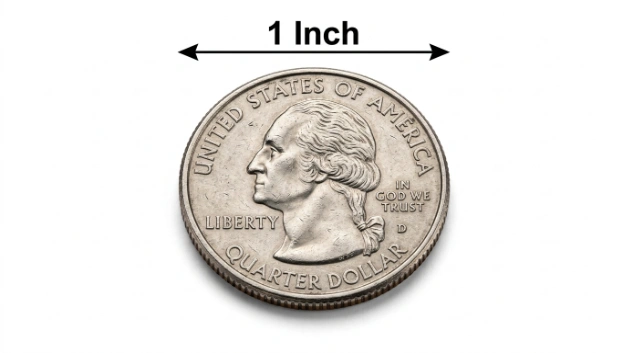
A U.S. quarter has a diameter of 0.96 inches (24.26 mm), making it just slightly smaller than one inch. The small difference is barely noticeable in everyday comparisons.
Quarter coins are commonly used across the United States, so they’re easy to find in wallets, cash registers, and coin jars. Their standardized size makes them a dependable visual reference.
When estimating an inch, imagine the width of a quarter coin. It’s close enough to help you judge small measurements accurately.
3. Length of a Thumb Joint
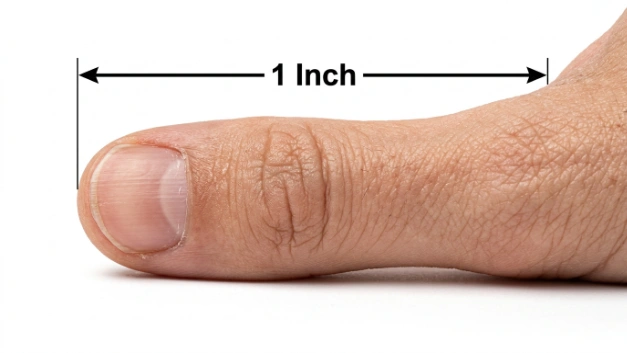
The first joint of an average adult thumb measures about 1 inch, although it can vary slightly from person to person. This makes it one of the most convenient natural measuring references.
Because your thumb is always with you, it’s useful when you need to estimate short distances without carrying measuring tools. Carpenters, DIY enthusiasts, and crafters often use finger measurements for quick estimates.
Using your thumb joint is a practical way to picture an inch wherever you are.
4. One Side of a Standard Die
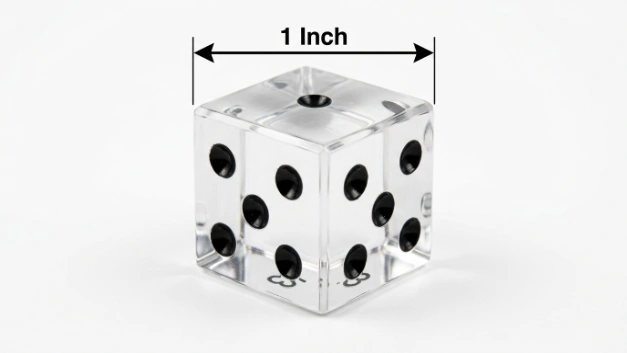
A standard six-sided die measures about 1 inch (2.54 cm) on each side. Its equal dimensions make it an excellent object for understanding this small length.
Dice are commonly included in board games and educational activities, and their uniform shape provides a consistent measurement reference.
Looking at one side of a standard die makes it easy to visualize an inch without needing a ruler.
5. Standard Bottle Cap Diameter
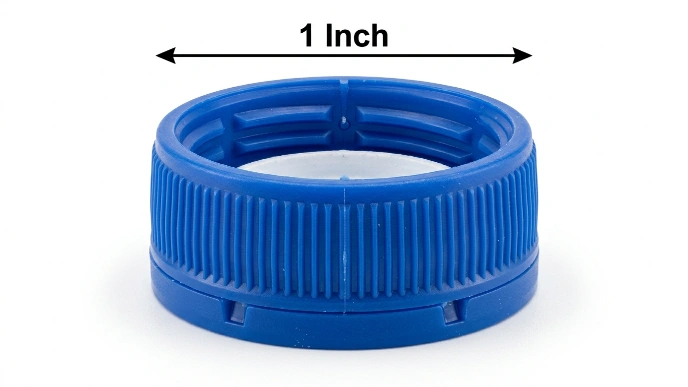
The diameter of many standard plastic bottle caps is close to 1 inch, although sizes can vary slightly depending on the manufacturer. This makes bottle caps a useful everyday comparison.
Bottle caps are found on water bottles, soft drinks, and many household beverages, making them readily available almost anywhere.
Whenever you see a typical bottle cap, you can use its width as a quick mental image of an inch.
6. USB Flash Drive Connector
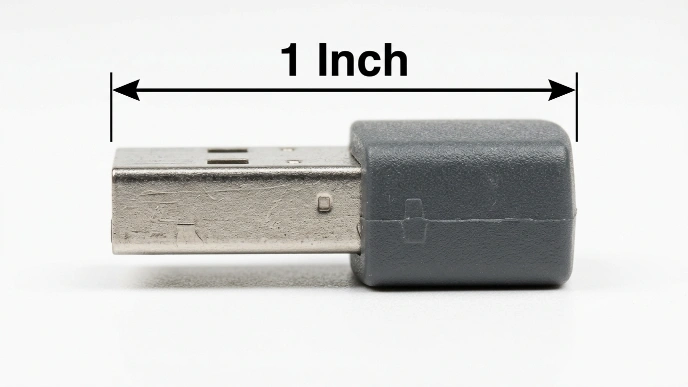
The metal connector on a standard USB flash drive measures approximately 1 inch in length. Its compact and standardized design makes it a practical comparison.
USB flash drives are widely used for storing and transferring digital files, so many people are already familiar with their appearance and size.
If you regularly use a flash drive, its connector offers an easy way to estimate an inch without measuring tools.
7. Width of an Adult Finger
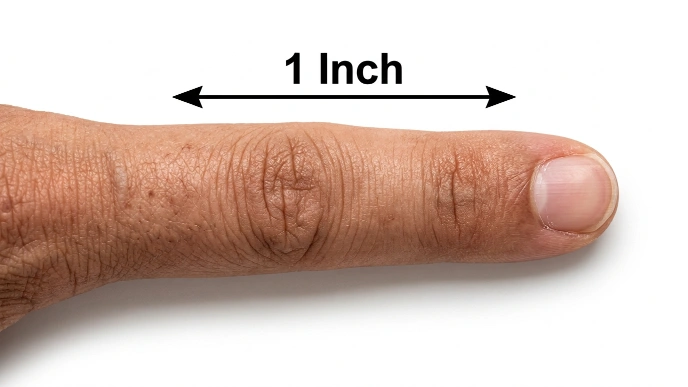
The width of an average adult index finger is close to 1 inch (2.54 cm), though it varies slightly depending on the individual. This makes it a handy natural reference for estimating small measurements.
Since your hands are always available, using your finger is one of the quickest ways to judge short distances. Many people use this method for simple DIY tasks, crafts, or quick size checks.
When you need to picture an inch without a ruler, the width of your finger provides a convenient and practical estimate.
8. Height of a Standard LEGO Brick
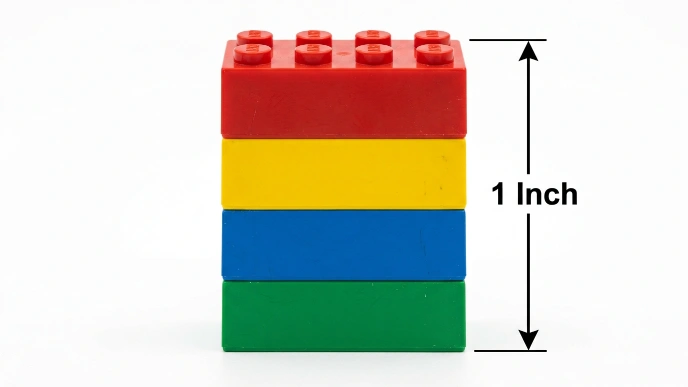
A standard LEGO brick, including its studs, is close to 1 inch in overall height when compared visually with other small objects. While exact dimensions vary by brick type, it serves as a familiar size reference.
LEGO bricks are popular building toys found in many homes and classrooms. Their consistent manufacturing standards make them useful for understanding everyday measurements.
If you have LEGO bricks nearby, they offer a simple way to visualize an inch and compare the size of other small objects.
9. Head Section of a Sewing Pin
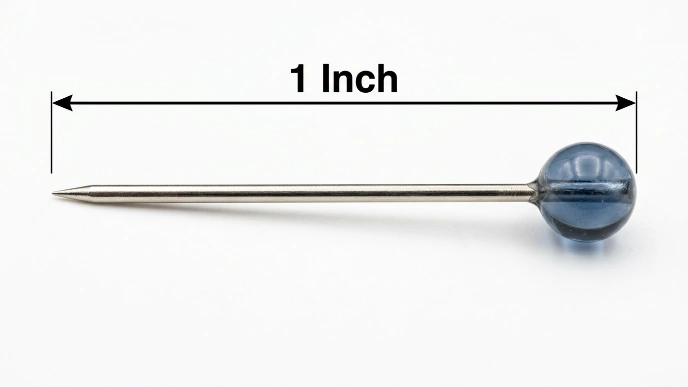
The visible head section of a standard sewing pin measures around 1 inch in length on many common designs. Its slim shape makes it useful for comparing very small dimensions.
Sewing pins are commonly used in tailoring, quilting, and crafts to temporarily hold fabric in place. They are lightweight, inexpensive, and easy to find in sewing kits.
Looking at the upper section of a sewing pin provides another practical reference when estimating an inch.
10. Width of a Small House Key
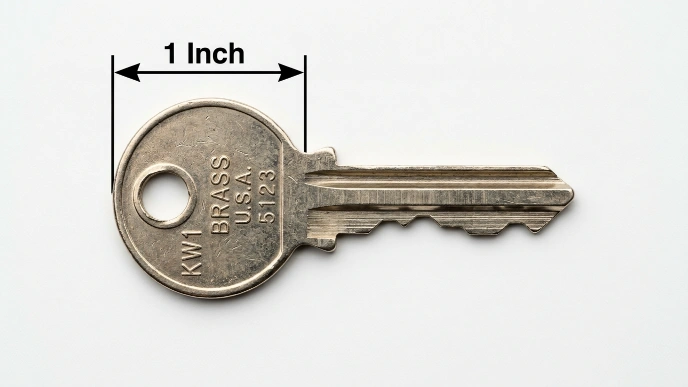
The widest part of a small house key is approximately 1 inch, depending on the key design. Most residential keys fall very close to this size.
House keys are carried every day, making them one of the most accessible objects for visual comparison. Although key styles vary, their overall width remains fairly consistent.
If you have your keys in your pocket, you can use one as a quick guide to estimate an inch.
11. Diameter of a U.S. Penny
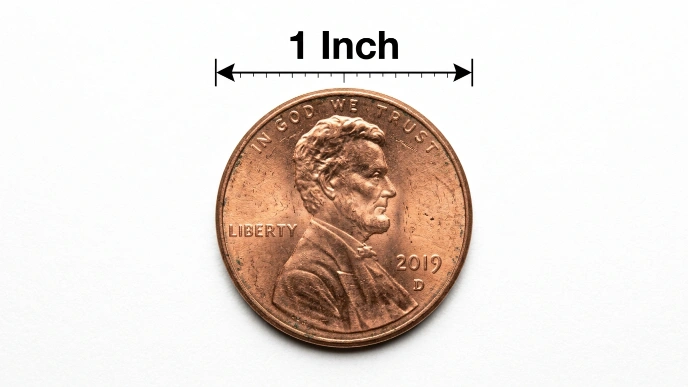
A U.S. penny has a diameter of 0.75 inches (19.05 mm), making it smaller than one inch but still useful for understanding this measurement. The difference is easy to recognize when compared side by side.
Pennies are among the most common coins in circulation and are frequently used in educational size comparisons because of their standardized dimensions.
Knowing that a penny is slightly smaller than an inch helps you estimate this length more accurately.
12. Height of a Standard Push Pin
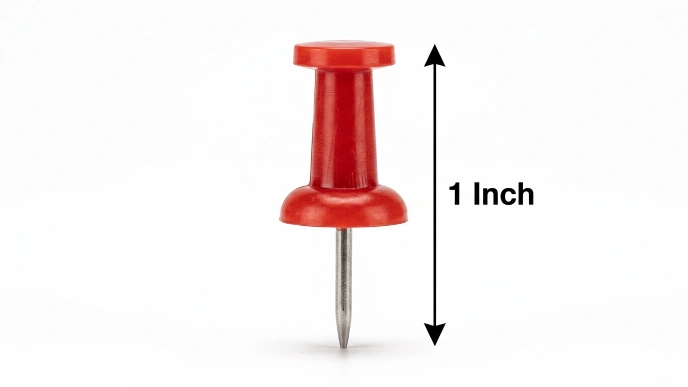
A standard push pin stands about 1 inch tall, making it another common object that closely represents this measurement. Minor variations exist between manufacturers, but most are very similar in size.
Push pins are widely used on bulletin boards, cork boards, and classroom displays to hold papers and notes securely. Their compact design makes them easy to recognize.
The overall height of a push pin provides a simple and reliable visual reference whenever you need to picture an inch.
How to Measure 1 Inch Without a Ruler
You don’t always need a ruler to estimate an inch accurately. Several common objects have dimensions that are very close to this measurement, making them useful substitutes when a measuring tool isn’t available. While these methods aren’t suitable for precise work, they are accurate enough for everyday estimating.
Using familiar items also helps you develop a better sense of scale over time. Once you know what an inch looks like, it becomes much easier to judge the size of small objects in daily life.
Here are some easy ways to estimate an inch:
- Use a small paperclip, which is approximately 1 inch long and works well for quick comparisons.
- Compare it with a bottle cap, as the diameter of many standard caps is close to this measurement.
- Look at the first joint of your thumb, which is about an inch for many adults.
- Use the width of an adult finger, which provides another convenient visual guide.
- Compare it with a standard die, since each side measures roughly one inch.
These simple references won’t replace a ruler for precision measurements, but they are excellent for estimating lengths whenever you need a quick visual comparison.
How Big Is 1 Inch Compared to Other Measurements
A single inch may seem small, but it becomes much easier to understand when compared with other common units of measurement. It equals 2.54 centimeters, 25.4 millimeters, 1/12 of a foot, and 1/36 of a yard. While it’s much shorter than a foot or meter, an inch is the standard unit used for measuring many everyday objects, such as electronics, tools, clothing, and small household items.
To help visualize this size, think of the width of a U.S. quarter, a small paperclip, or the first joint of your thumb. These familiar references show that an inch is large enough to notice but still compact enough to measure small objects accurately. Understanding these comparisons makes it easier to estimate sizes and convert between imperial and metric measurements.
Helpful Tips for Visualizing an Inch
Remembering a few everyday objects can make estimating short measurements much easier. Instead of memorizing numbers, use familiar items that are close to an inch whenever you need a quick visual reference.
- Carry a small paperclip for an easy one-inch comparison.
- Use your thumb joint as a natural measuring guide.
- Compare with a bottle cap for quick size estimates.
- Keep a standard die nearby when working on crafts or hobbies.
- Practice comparing everyday objects to improve your sense of scale.
The more often you compare objects with known dimensions, the easier it becomes to recognize an inch without reaching for a ruler.
Read: How Big Is 8mm?
Read: How Big Is 5mm?
Read: How Big Is 3mm?
Read: How Long Is 2 Inches?
Read: How Long Is 4 Inches?
Frequently Asked Questions
Is an inch the same everywhere?
Yes. An inch is internationally standardized and always equals 2.54 centimeters, regardless of the country or application.
What household item is closest to one inch?
A small paperclip, a standard bottle cap, and the first joint of an adult thumb are among the most common objects that closely match this measurement.
How can I estimate this measurement without tools?
You can compare it with familiar objects such as a paperclip, bottle cap, die, or your thumb joint. These references provide a quick estimate when a ruler isn’t available.
Why is the inch still commonly used?
The inch remains the standard unit for many measurements in the United States, including construction, furniture, electronics, clothing, and product dimensions.
Is one inch larger than two centimeters?
Yes. How Long Is an Inch is exactly 2.54 centimeters, making it slightly longer than 2 centimeters.
Conclusion
Understanding How Long Is an Inch becomes much easier when you compare it with familiar objects instead of relying only on numbers. A small paperclip, bottle cap, thumb joint, or standard die all provide practical references that help you picture this common measurement.
With these comparisons, conversion charts, and measuring tips, you can confidently estimate an inch in everyday situations. Whether you’re shopping, crafting, measuring household items, or working on a project, these visual references make judging small distances much quicker and more accurate.