Quick Answer
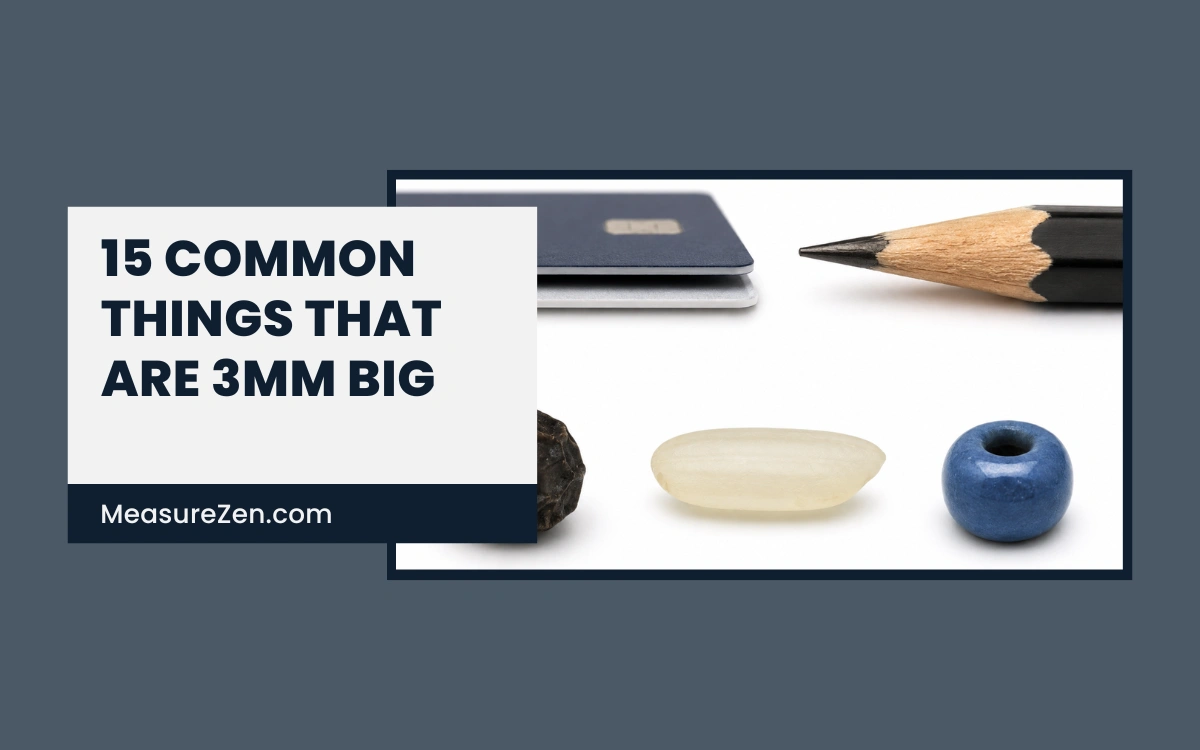
3mm is equal to 0.3 cm, 0.118 inches, 0.003 meters, or 0.00984 feet. It is about the size of a black peppercorn or the thickness of two stacked credit cards.
Tiny measurements can be surprisingly difficult to picture without a ruler. If you’re trying to estimate the size of jewelry, screws, craft materials, or small hardware, having familiar objects to compare makes the measurement much easier to understand in everyday life.
Many people need to visualize small dimensions while shopping online, working on DIY projects, sewing, crafting, or selecting accessories. Looking at common household items often provides a faster and more practical reference than converting numbers alone.
This guide explains How Big Is 3mm using accurate conversions, visual comparisons, and familiar everyday objects. You’ll also learn simple ways to estimate this measurement without a ruler and see how it compares to other common sizes.
3mm Conversion Chart
Quick and accurate measurement conversions.
| Unit | Converted Value |
|---|---|
| Feet | 0.00984 ft |
| Centimeters | 0.3 cm |
| Millimeters | 3 mm |
| Meters | 0.003 m |
| Inches | 0.118 in |
How Big Is 3mm?
Although 3 millimeters is a very small measurement, it appears more often than most people realize. It is commonly found in jewelry, electronics, hardware, crafts, sewing supplies, and office materials. Because it is only 0.3 centimeters or about 0.12 inches, it can be difficult to judge by sight unless you compare it with familiar everyday objects.
Instead of relying on numbers alone, it helps to think about real items that are close to this size. Small screw heads, peppercorns, beads, and stacked cards provide useful references that make this tiny dimension much easier to recognize. These comparisons are practical whether you’re shopping online or checking the size of small components.
The examples below provide quick visual references that closely match this measurement, helping you estimate it more accurately without special measuring tools.
- A black peppercorn measures about 3–5 mm across, making it one of the easiest everyday comparisons.
- Two stacked credit cards are close to 3 mm thick, giving you a simple household reference.
- A tiny jewelry bead often measures around 3 mm in diameter and is commonly used in bracelets and necklaces.
- A small screw head on eyeglasses or electronics is often close to this size.
- A mechanical pencil tip guard has a diameter that is similar to this measurement.
- Some LEGO elements include thin sections that are approximately this thick.
What Does 3mm Look Like?
A 3mm measurement is very small and can be difficult to visualize on its own. It is roughly the size of a black peppercorn, a small jewelry bead, or the thickness of two stacked credit cards.
Looking at familiar everyday objects is one of the easiest ways to understand this size. These real-world comparisons provide a quick visual reference, making it easier to estimate 3mm without using a ruler or measuring tape.
15 Common Things That Are About 3mm Big
| Object | Approximate Size | How It Compares |
|---|---|---|
| Two Stacked Credit Cards | ~3 mm thick | Very close thickness reference |
| Pencil Tip Diameter | ~3 mm | Similar width near the sharpened tip |
| Small Button Thickness | ~3 mm | Common on shirts and children’s clothing |
| Grain of Rice Thickness | ~2.5–3 mm | Nearly identical thickness |
| Tiny Screw Head | ~3 mm | Found in electronics and eyeglasses |
| Small Jewelry Bead | 3 mm diameter | Standard jewelry bead size |
| Earphone Wire Thickness | ~3 mm | Similar cable diameter |
| Mechanical Pencil Tip Guard | ~3 mm | Close visual comparison |
| Small LEGO Piece Thickness | ~3 mm | Thin molded plastic section |
| Thin Craft Foam Sheet | 3 mm thick | Standard craft material thickness |
| Black Peppercorn | 3–5 mm diameter | Excellent everyday comparison |
| Coarse Salt Crystal | ~3 mm | Large crystal size |
| Watch Screw Head | ~3 mm | Used in watch links and repairs |
| 30 Sheets of Printer Paper | ~3 mm thick | Good stacking comparison |
| Small Seed Bead | 3 mm diameter | Frequently used in beadwork |
1. Two Stacked Credit Cards
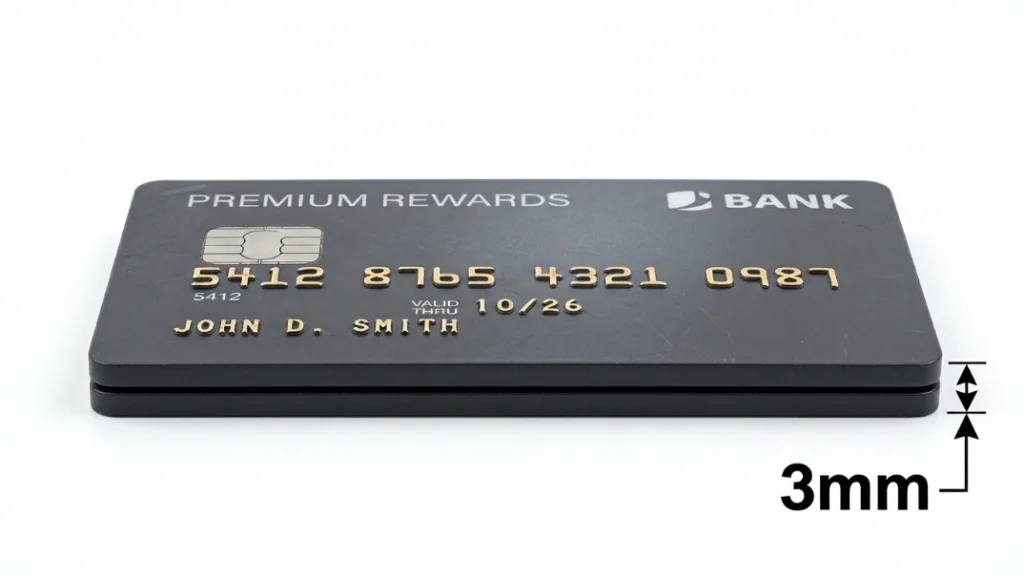
Two standard plastic credit cards stacked together measure approximately 3 mm thick. Since each card is around 1.5 mm thick, placing two together creates a measurement that closely matches this size. This makes them one of the easiest household references.
Almost everyone has a credit or debit card at home, so this comparison is convenient when you don’t have a ruler nearby. Simply stack two cards evenly and view them from the side to judge their combined thickness.
Because the measurement is very close, two stacked credit cards provide one of the most reliable everyday ways to visualize 3 mm.
2. Pencil Tip Diameter
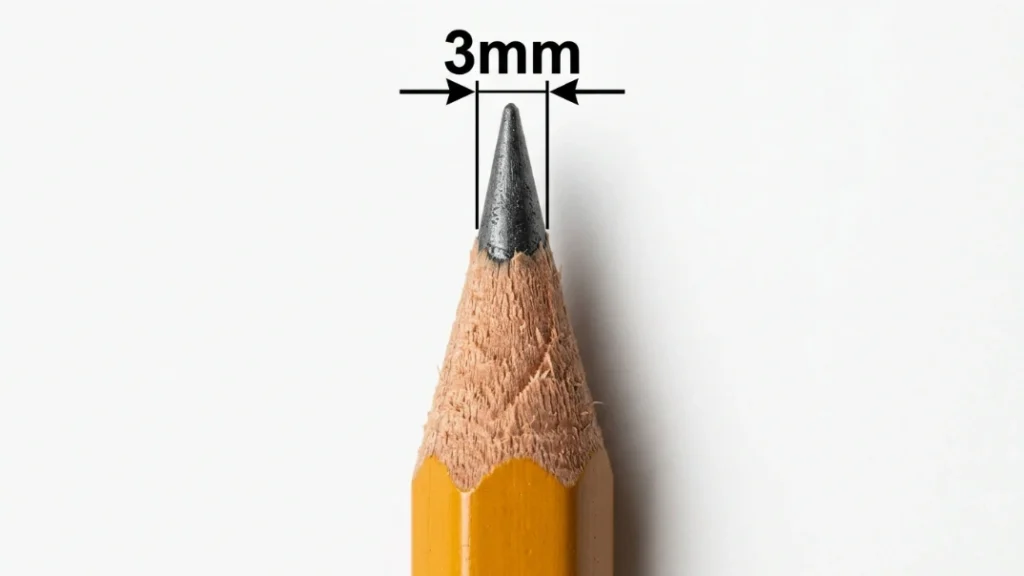
The sharpened wooden section near the graphite tip of a standard pencil is usually around 3 mm in diameter. Although the graphite itself is much thinner, the surrounding wood is close to this measurement.
Pencils are found in homes, classrooms, and offices, making them an easy object to examine whenever you need a quick size reference. Looking at the sharpened end gives a practical visual estimate.
Using a pencil tip helps you understand just how small this measurement is while still being easy to see with the naked eye.
3. Small Button Thickness
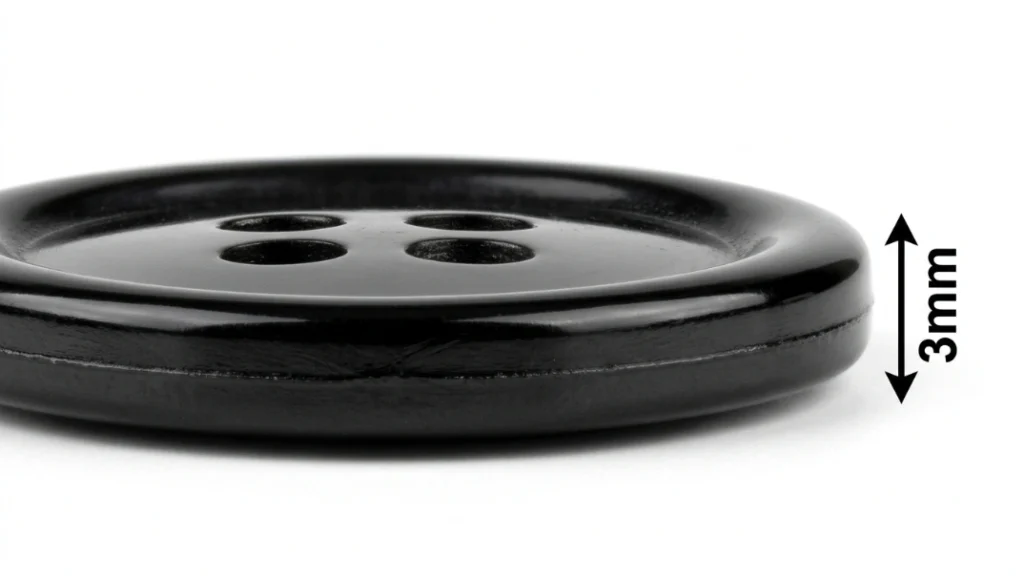
Many small shirt buttons measure about 3 mm thick, especially those used on children’s clothing, lightweight jackets, and dress shirts. While their diameter varies, their thickness is often very close to this measurement.
Buttons are everyday objects that most people already have available. Their sturdy plastic construction makes their thickness easy to compare with other small items.
Holding a small button from the side gives a simple way to picture what a 3 mm thickness looks like.
4. Grain of Rice Thickness

A single grain of uncooked rice is usually about 2.5 to 3 mm thick, depending on the variety. While the grain is much longer than it is wide, its thickness closely matches this measurement.
Rice is one of the most common foods found in kitchens worldwide, making it an easy reference when estimating tiny dimensions without measuring tools.
Viewing a grain of rice from its side provides a surprisingly accurate visual comparison for understanding this size.
5. Tiny Screw Head

Small screws used in eyeglasses, electronics, watches, and toys often have heads measuring around 3 mm in diameter. These miniature fasteners are designed for precision and compact spaces.
You can commonly find screws of this size in laptops, remote controls, cameras, and other electronic devices that require delicate assembly.
If you’ve ever handled a tiny repair screw, you’ve already seen an object that’s very close to 3 mm in size.
6. Small Jewelry Bead
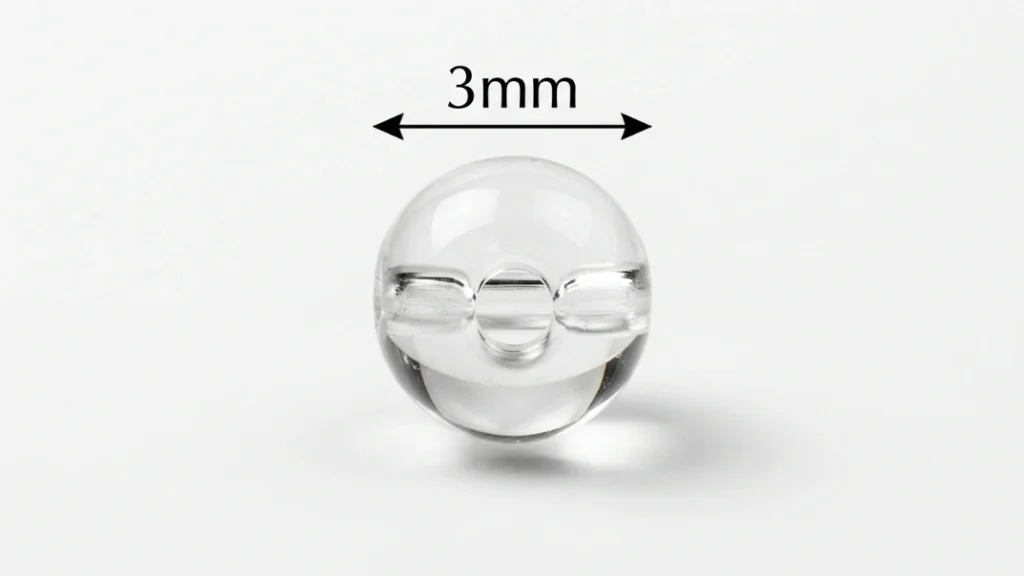
A 3 mm jewelry bead is one of the most common bead sizes used for bracelets, necklaces, earrings, and decorative crafts. These beads are small enough to create delicate designs while remaining easy to string.
They are available in materials such as glass, gemstones, acrylic, wood, and metal, making them popular for both beginners and professional jewelry makers.
Because the bead is manufactured to an exact diameter, it serves as an excellent reference for visualizing 3 mm.
7. Earphone Wire Thickness
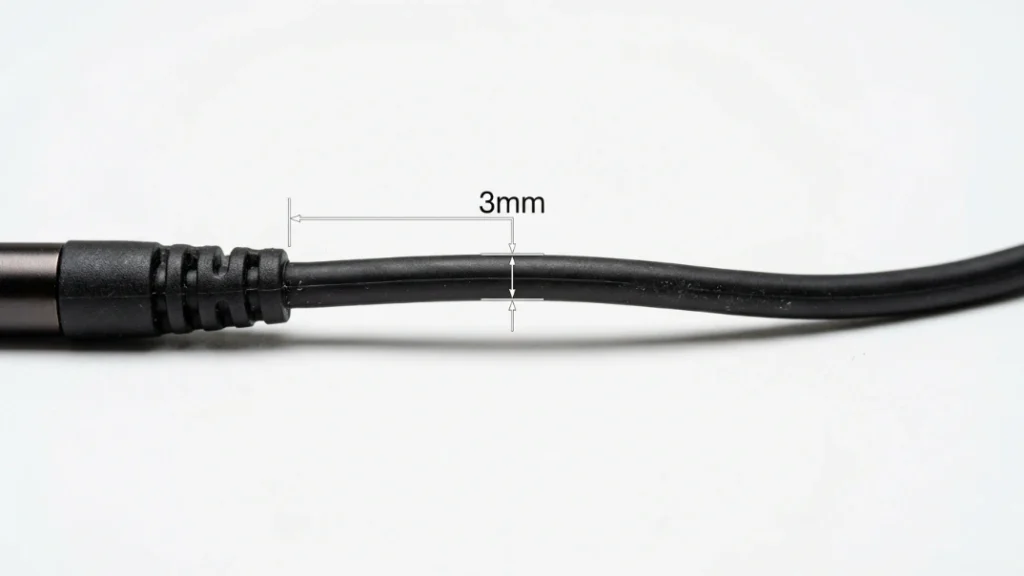
The outer cable of many wired earphones measures approximately 3 mm thick, although the exact diameter varies slightly by brand and design. Protective insulation contributes to this overall thickness.
Earphone cables are used daily for music, gaming, phone calls, and work, making them a familiar object that is easy to compare with other small measurements.
Looking at the cable from the side gives a quick impression of what a 3 mm diameter looks like in real life.
8. Mechanical Pencil Tip Guard
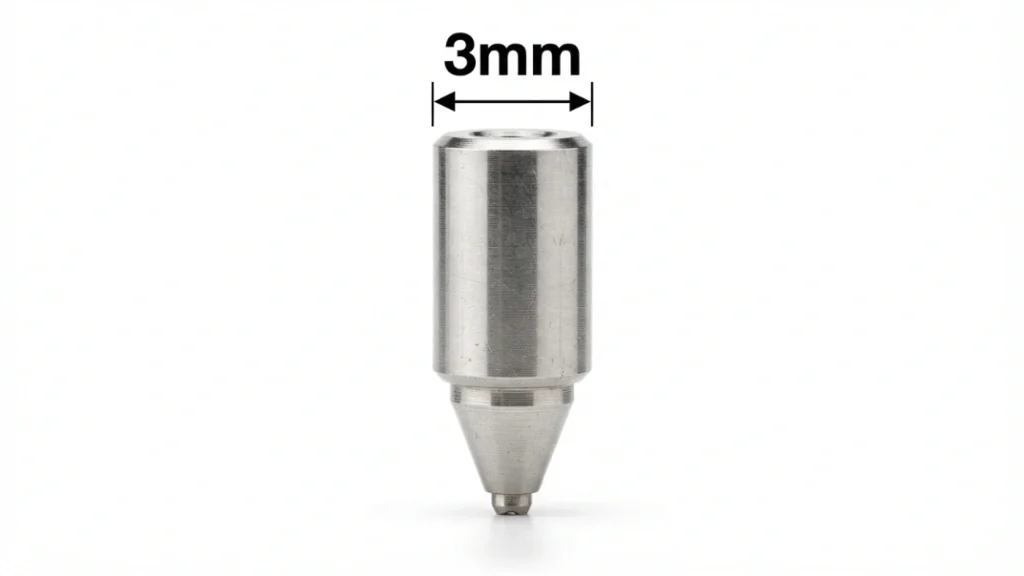
Many mechanical pencils include a small protective metal tip guard with a diameter of around 3 mm. This narrow sleeve protects the lead while allowing precise writing.
Students, artists, engineers, and office workers frequently use mechanical pencils, making this a practical comparison that many people already recognize.
Its precise manufactured size provides a useful visual example for estimating a 3 mm measurement.
9. Small LEGO Piece Thickness
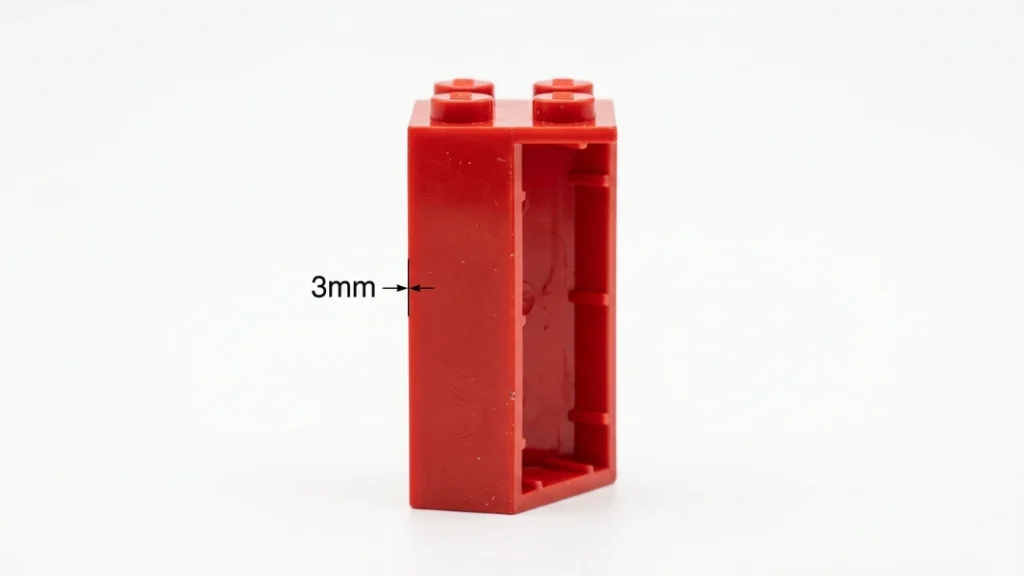
Some thin sections of standard LEGO bricks and plates measure close to 3 mm thick. While the overall dimensions vary depending on the piece, these narrow plastic sections provide a good visual reference.
LEGO pieces are found in homes, schools, and playrooms around the world. Their precise manufacturing makes them useful for understanding small measurements.
Looking at the edge of a thin LEGO element helps you picture what a 3 mm thickness looks like without needing a ruler.
10. Thin Craft Foam Sheet
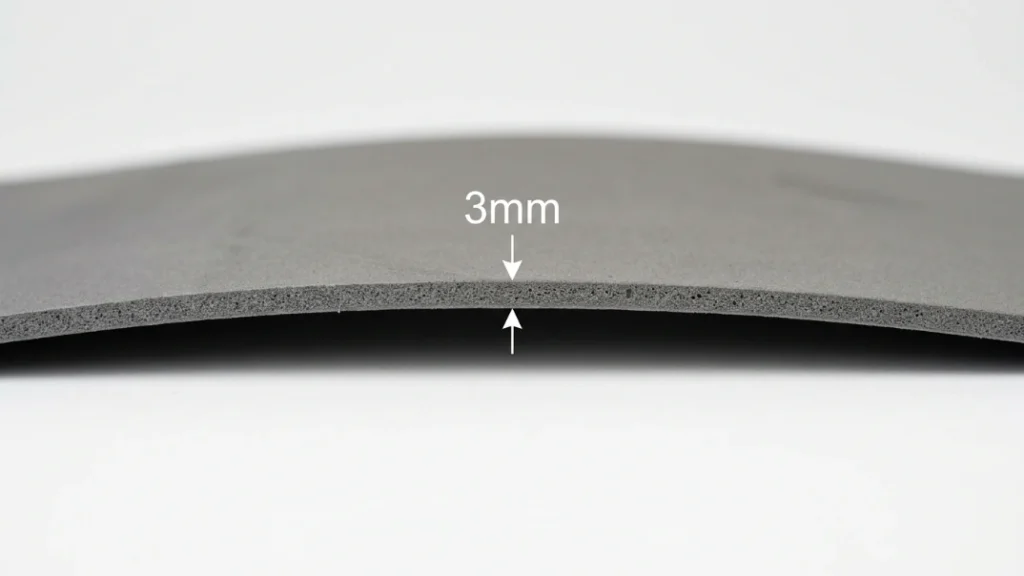
A thin craft foam sheet is commonly manufactured in 3 mm thickness. These sheets are widely used for school projects, DIY decorations, cosplay props, and handmade crafts.
Because foam sheets are sold in standardized sizes, they offer a reliable reference when comparing small thicknesses. They are lightweight, flexible, and easy to find in craft stores.
If you hold a 3 mm foam sheet from the side, you’ll have an accurate representation of this measurement.
11. Black Peppercorn
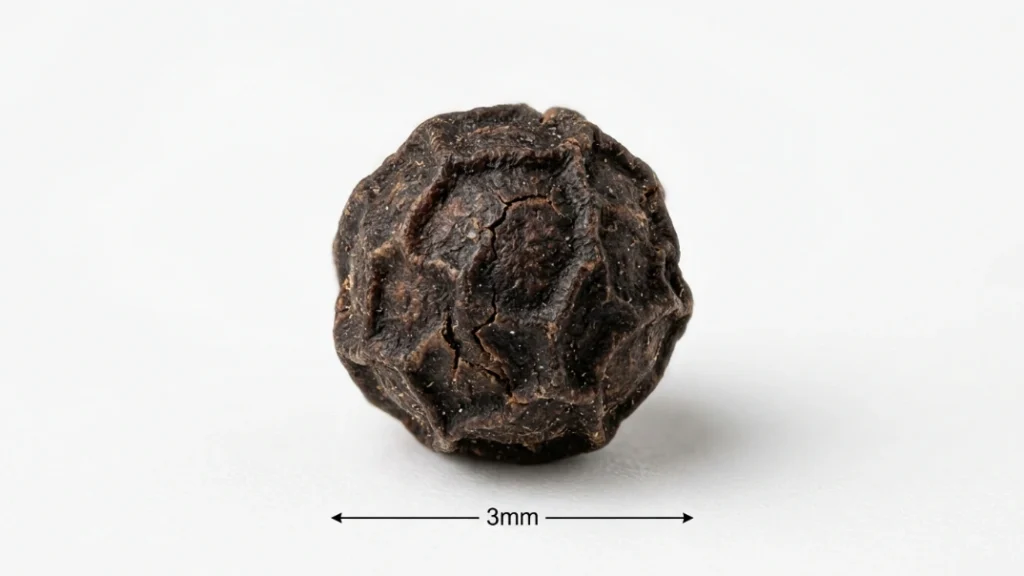
A whole black peppercorn usually measures between 3 and 5 mm in diameter, with many falling very close to the 3 mm mark. Its round shape makes it one of the easiest natural objects to compare.
Peppercorns are found in nearly every kitchen and are commonly used in cooking and seasoning. Their size is easy to observe without any special tools.
Because many peppercorns are almost exactly 3 mm across, they are among the best everyday references for this tiny measurement.
12. Coarse Salt Crystal

Large coarse salt crystals often measure around 3 mm across, although their exact size depends on the type of salt and how it is processed.
These crystals are commonly used for seasoning steaks, grilling, baking, and finishing dishes. Their irregular shape still provides a useful approximation.
A single coarse salt crystal offers a quick way to visualize how small 3 mm really is.
13. Watch Screw Head
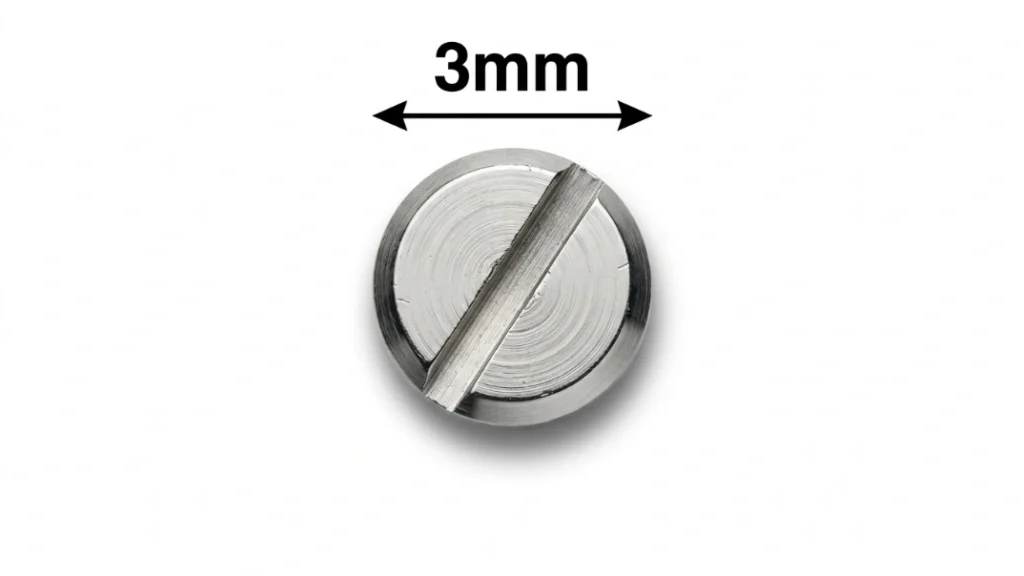
The tiny screws used to adjust watch bands or secure watch components often have heads measuring approximately 3 mm in diameter. These precision parts are designed for compact mechanical assemblies.
Watchmakers and repair technicians regularly handle screws of this size using specialized miniature tools. Their small dimensions allow intricate adjustments without adding bulk.
If you’ve ever resized a watch bracelet, you’ve likely seen a screw head that closely matches a 3 mm measurement.
14. Thickness of 30 Sheets of Printer Paper
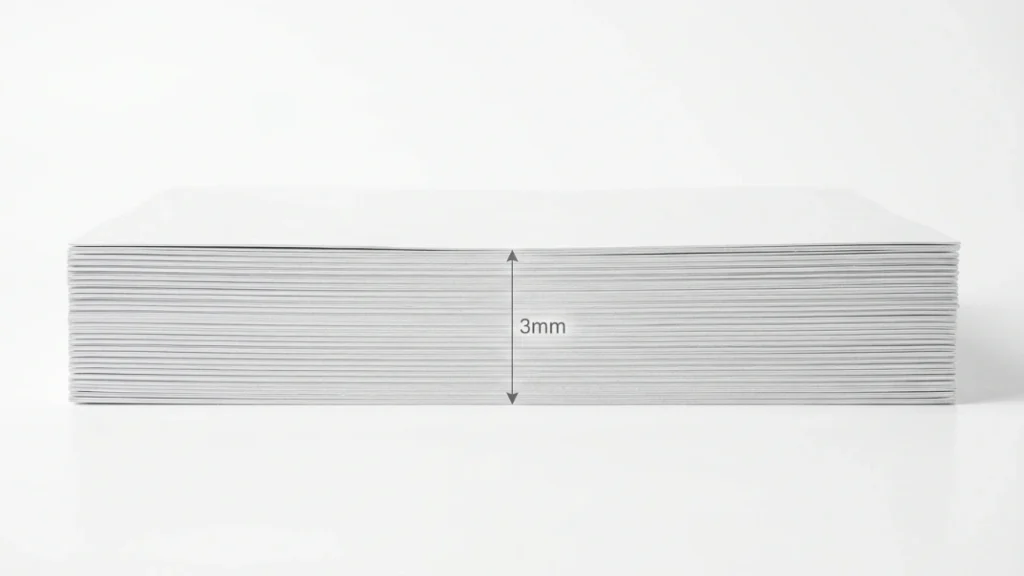
A stack of about 30 standard sheets of printer paper measures roughly 3 mm thick. Since each sheet is around 0.1 mm thick, stacking thirty sheets creates an easy visual estimate.
Printer paper is available in almost every office, classroom, and home, making this one of the most practical comparisons.
If you don’t have a ruler, stacking 30 sheets together gives a surprisingly accurate representation of 3 mm.
15. Diameter of a Small Seed Bead
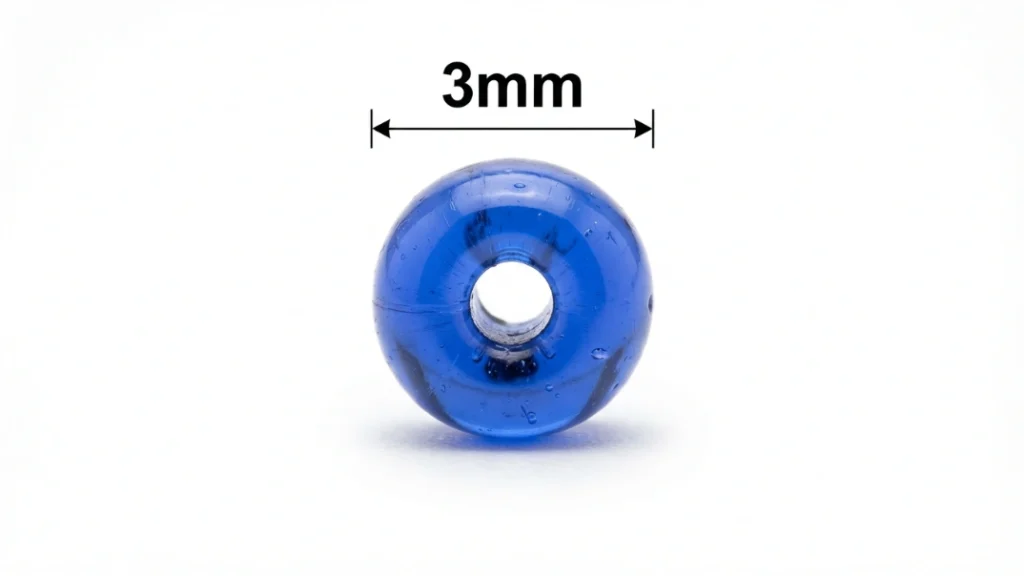
Small seed beads used in jewelry making are commonly available in 3 mm diameters. Their consistent sizing makes them ideal for detailed beadwork and decorative crafts.
These beads come in glass, plastic, ceramic, and metal finishes and are frequently used for bracelets, necklaces, embroidery, and handmade accessories.
Because manufacturers produce them to exact dimensions, a 3 mm seed bead is one of the most accurate objects for visualizing this measurement.
How to Estimate 3mm Without a Ruler
If you don’t have a ruler nearby, you can still estimate this small measurement by comparing it with familiar everyday objects. Many household items are manufactured to consistent sizes, making them useful visual references. While these methods are not perfectly precise, they are accurate enough for most DIY projects, crafts, shopping, and quick size checks.
- Stack two credit cards to get a thickness that’s very close to 3 mm.
- Use a black peppercorn, which is typically around 3–5 mm in diameter.
- Look at a 3 mm jewelry bead if you have craft supplies available.
- Stack about 30 sheets of printer paper to create an approximate 3 mm thickness.
- Compare it with a thin craft foam sheet, which is commonly sold in 3 mm thickness.
Using two or three of these comparisons together can help you estimate small dimensions much more confidently without specialized measuring tools.
3mm Compared to Other Common Measurements
Small measurements can be difficult to picture on their own, so comparing them with larger metric sizes makes the difference easier to understand. The table below shows how 3 mm relates to other commonly used measurements.
| Measurement | Equivalent | Comparison |
|---|---|---|
| 1 mm | One-third of 3 mm | Very thin, like a credit card edge |
| 2 mm | Slightly smaller | Common for thin wire and small beads |
| 3 mm | 0.3 cm | Similar to a peppercorn or two stacked credit cards |
| 5 mm | 0.5 cm | About the diameter of a small pea |
| 10 mm | 1 cm | Roughly the width of a fingernail |
| 25.4 mm | 1 inch | More than eight times larger than 3 mm |
Understanding these comparisons makes it easier to judge small dimensions when reading product specifications, choosing hardware, or working on craft and DIY projects.
Helpful Tips for Visualizing Small Measurements
Estimating tiny dimensions becomes much easier when you consistently compare them with familiar objects instead of relying only on numbers. After seeing a few common examples, your eyes naturally become better at recognizing similar sizes.
- Keep a few common reference objects like peppercorns or small beads for quick comparisons.
- Use stacked paper or credit cards when checking thickness without a ruler.
- Compare several objects together instead of relying on a single estimate.
- Remember that lighting and viewing angle can make small objects appear larger or smaller.
- Use a ruler or caliper whenever exact precision is required for crafts, repairs, or engineering work.
With a little practice, you’ll be able to estimate small measurements quickly and with much greater confidence.
Read: How Long Is 2 Inches?
Read: How Long Is 4 Inches?
Read: How Long Is 6 Inches?
Read: How Long Is 5 Inches?
Read: How Long Is 10 Inches?
Frequently Asked Questions
Is 3mm the same as 0.3 cm?
Yes. Since 10 millimeters equal 1 centimeter, 3 millimeters is exactly 0.3 centimeters.
How many inches is 3mm?
Three millimeters equals approximately 0.118 inches, which is just under one-eighth of an inch.
What everyday object is closest to this size?
A black peppercorn, a 3 mm jewelry bead, or two stacked credit cards are among the closest everyday comparisons.
Can I estimate How Big Is 3mm without a ruler?
Yes. You can use common objects such as a peppercorn, 30 sheets of printer paper, or two stacked credit cards to make a reliable visual estimate.
Is 3mm considered thick or thin?
It is considered a very thin measurement. It is commonly used for small hardware, jewelry, craft materials, electronic components, and precision parts.
Conclusion
Understanding How Big Is 3mm becomes much easier when you compare it with familiar everyday objects instead of relying only on numbers. Items like black peppercorns, small beads, stacked credit cards, and printer paper provide practical references that help you picture this tiny measurement accurately.
Whether you’re buying jewelry, choosing hardware, working on crafts, or checking product dimensions, using real-world comparisons can make estimating small sizes much simpler. With these examples in mind, you’ll be able to recognize and visualize 3 mm more confidently, even when a ruler isn’t available.