
Quick Answer:
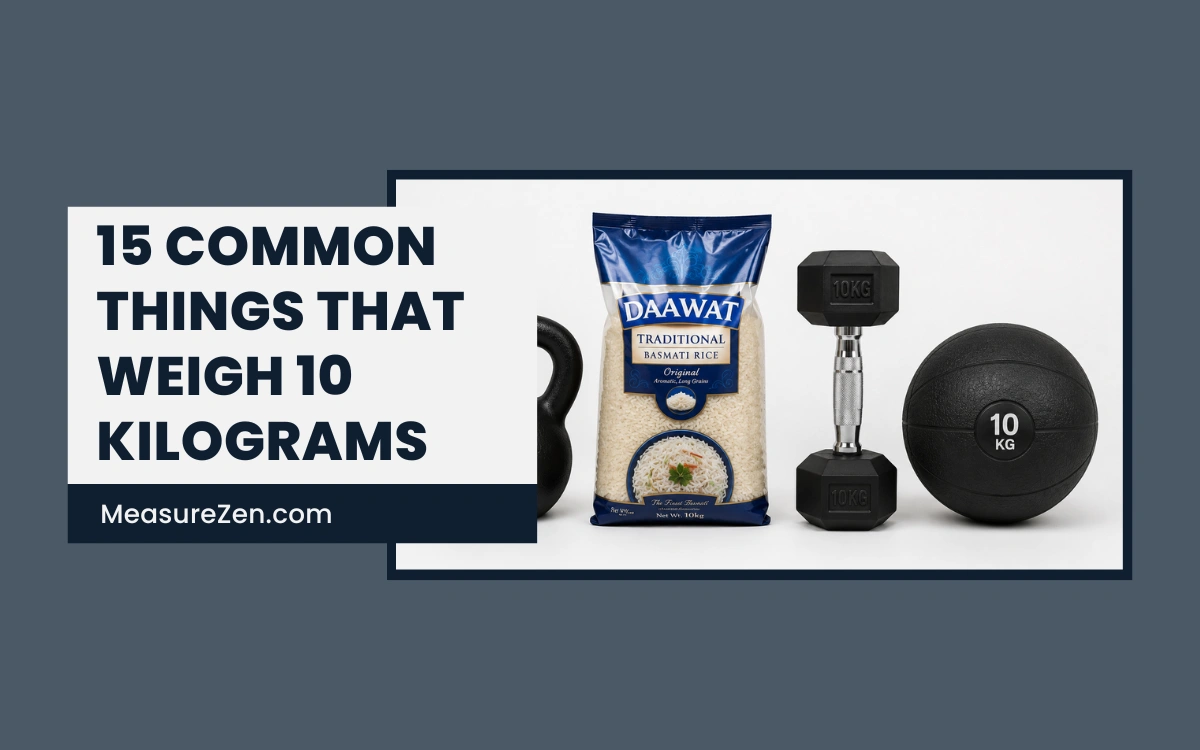
10 kilograms equals 22.05 pounds, 10,000 grams, or about 1.57 stone. It is roughly the weight of a full 10 kg bag of rice or a labeled 10 kg dumbbell.
Trying to picture a weight from a number alone is difficult. A value on a scale becomes much easier to understand when you connect it with something familiar, such as a bag of rice, a dumbbell, a suitcase, or a household appliance.
Knowing what 10 Kilograms feels like can be useful when packing luggage, lifting weights, buying food in bulk, estimating shipping loads, or comparing the weight of everyday items. Real objects also show why the same mass can feel surprisingly different depending on its shape and how you carry it.
Below, you’ll find practical comparisons, familiar objects around this weight, and accurate conversions into pounds, grams, stone, ounces, and liters.
10 Kilograms Conversion Chart
Quick and accurate measurement conversions
| Unit | Converted Value |
|---|---|
| Kilograms | 10 kg |
| Pounds | 22.046 lb |
| Grams | 10,000 g |
| Milligrams | 10,000,000 mg |
| Ounces | 352.74 oz |
| Stone | 1.575 st |
| Metric Tons | 0.01 t |
How Much Does 10 Kilograms Weigh?
A mass of 10 kg is equal to approximately 22.05 pounds. In everyday terms, that’s heavy enough that you’ll clearly notice it when lifting or carrying it, but it remains manageable for many adults over a short distance. It sits in a useful middle range between light household items and genuinely heavy loads.
One easy way to understand the weight is to imagine a large sack of rice or flour sold with a 10 kg label. A gym dumbbell marked 10 kg provides an even more exact reference. Unlike loose or bulky objects, a calibrated dumbbell concentrates the entire mass into a relatively small area, making it feel especially substantial in one hand.
How heavy something feels isn’t determined by mass alone. Grip, shape, dimensions, balance, and how far the object is held from your body can dramatically change the lifting experience. That’s why a compact gym weight may feel harder to handle than a larger bag containing approximately the same mass.
Things That Weigh 10 Kilograms
Many everyday objects fall at or near the 10 kg mark, although some comparisons are naturally more precise than others. Packaged goods and labeled gym equipment provide the most reliable references because their nominal mass is known. Animals, appliances, luggage, tires, and building materials vary considerably by model, breed, dimensions, and composition.
For visualizing the weight at home, a large bag of rice is one of the simplest references. Travelers may find a moderately packed carry-on suitcase more relatable, while someone who exercises regularly will immediately recognize the feel of a 10 kg dumbbell or Olympic-style weight plate.
The table below provides a quick overview. Approximate examples should be treated as visualization aids rather than exact substitutes for a calibrated scale.
| Object | Approximate Weight | How It Compares |
|---|---|---|
| Bag of rice or flour | 10 kg | Can be an exact match |
| 10 liters of water | About 10 kg | Very close approximation |
| Large watermelon | 8–12 kg | Large specimens can reach the target |
| 24-pack of canned soda | Roughly 9–10 kg | Close depending on can size and packaging |
| Dumbbell | 10 kg | Exact labeled reference |
| Two bowling balls | About 9–14 kg | Depends heavily on ball weight |
| Olympic weight plate | 10 kg | Exact labeled reference |
| Countertop microwave | About 9–15 kg | Some compact models are close |
| Two gallons of paint | Roughly 9–12 kg | Depends on paint formulation |
| Four bricks | Roughly 8–12 kg | Brick dimensions and density vary |
| Packed carry-on suitcase | Around 7–12 kg | Can easily be packed near 10 kg |
| Passenger car tire | Roughly 8–12 kg | Many tires without rims are close |
| French Bulldog | Roughly 8–13 kg | Some adults are near the target |
| Adult Dachshund | Roughly 5–14 kg | Standard and miniature types differ |
| Large domestic cat | Roughly 6–10+ kg | Only particularly large cats approach it |
1. A 10-Kilogram Bag of Flour or Rice
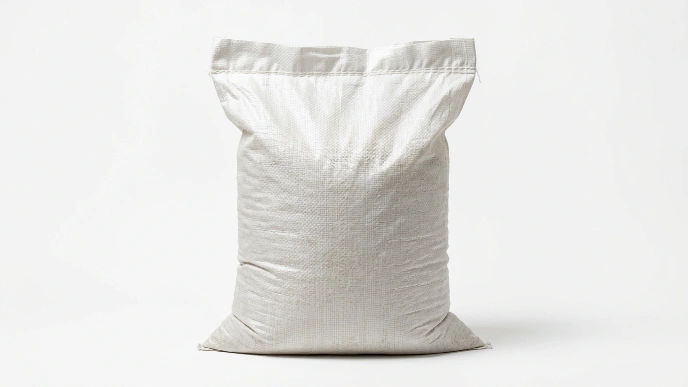
Large bags of rice and flour are commonly sold by mass, making a package explicitly labeled 10 kg one of the most accurate everyday comparisons. The exact physical dimensions depend on the grain, packaging, and how tightly the contents settle, but the mass itself remains essentially the stated amount before significant contents are removed.
You’ll commonly encounter bags of this size in supermarkets, wholesale stores, commercial kitchens, restaurants, and households that buy staple foods in bulk. Unlike a metal gym weight, the bag changes shape when lifted because the grains or flour shift inside the packaging.
That makes a 10 kg food sack particularly useful for understanding the target weight in a practical setting. If you’ve ever carried one from a grocery store or moved it onto a kitchen shelf, you already have a good sense of what this amount of mass feels like.
2. Ten Liters of Water
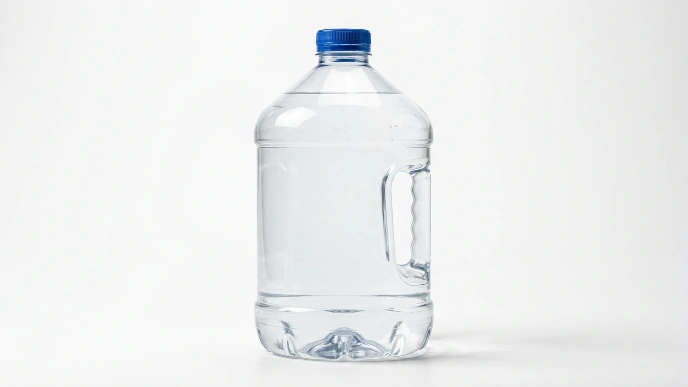
Water provides one of the easiest metric references because 1 liter of water has a mass very close to 1 kilogram under ordinary everyday conditions. Therefore, 10 liters of water weighs approximately 10 kg. The precise relationship changes slightly with temperature because the density of water isn’t exactly 1 kg per liter at every temperature.
A 10-liter container is common for camping, emergency water storage, cleaning, gardening, and outdoor activities. Anyone who has carried a filled water container knows that the weight becomes noticeable quickly, especially when the container has a narrow handle or must be carried away from the body.
For everyday estimation, ten liters of water is an excellent visualization. It also demonstrates an important distinction: kilograms measure mass, while liters measure volume, so this convenient relationship applies specifically to water and substances with a similar density.
3. A Large Watermelon
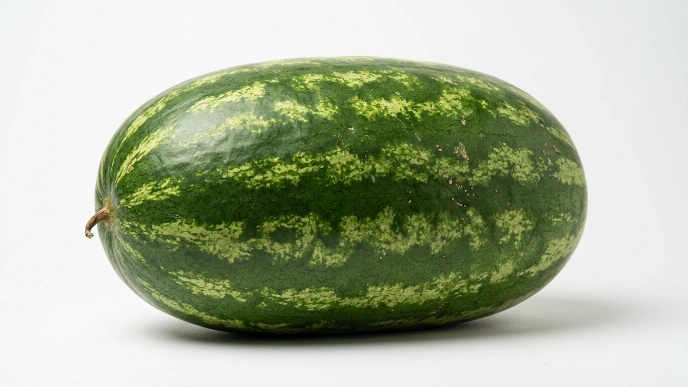
Watermelons vary enormously in size. A particularly large whole watermelon can weigh around 10 kg, equivalent to roughly 22 pounds, although many supermarket watermelons are considerably lighter. Shape, variety, water content, and growing conditions all affect the final mass of the fruit.
Large watermelons are commonly seen at supermarkets, produce markets, farms, picnics, and summer gatherings. Because they’re bulky, smooth, and difficult to grip securely, carrying one can feel more awkward than carrying a compact object with exactly the same mass.
A watermelon near the 10 kg mark provides a useful visual reference because its size and shape make the weight immediately noticeable. Just remember that this is an approximate comparison rather than a standard measurement—checking the produce scale is the only reliable way to confirm its actual mass.
4. A 24-Pack of Coke Cans
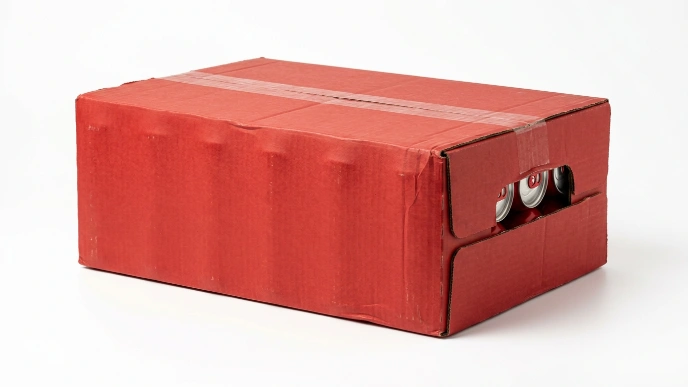
A 24-pack of standard canned soft drinks can provide a reasonably close comparison, although it isn’t always exactly 10 kg. Twenty-four 355 mL cans contain about 8.52 liters of beverage. Once the aluminum cans and cardboard packaging are included, the complete case commonly comes closer to roughly 9 kg than an exact 10 kg.
Cases of canned drinks are familiar in supermarkets, convenience stores, offices, parties, restaurants, and home pantries. The rectangular packaging makes them relatively compact, but the absence of a comfortable handle on some cases can make carrying one surprisingly tiring.
For visualization, think of a full case of 24 regular-size soda cans with a little additional weight added. It provides a recognizable approximation of the target, while a product label or scale should be used whenever an exact shipping or lifting weight is required.
5. A 10-Kilogram Dumbbell

A dumbbell explicitly marked 10 kg is one of the clearest and most precise examples available. Assuming the equipment is manufactured within normal tolerances, its nominal mass is exactly the amount printed on it. In imperial units, that corresponds to approximately 22.05 pounds.
You’ll see these dumbbells in commercial gyms, home workout rooms, fitness studios, rehabilitation facilities, and sporting-goods stores. They may be made from cast iron, steel, rubber-coated metal, or other materials, so their dimensions can differ despite having the same overall mass.
Because the mass is concentrated into a compact object and often lifted with one hand, a dumbbell may feel heavier than a larger two-handed object of equal mass. If you have access to one, it’s arguably the simplest physical reference for experiencing this weight directly.
6. Two Bowling Balls
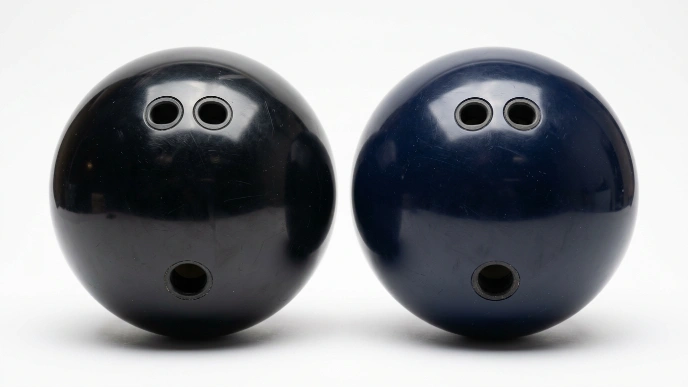
Bowling balls come in several standard weights, typically expressed in pounds. Two 11-pound bowling balls, for example, total 22 pounds, which equals approximately 9.98 kg. That combination comes remarkably close to the target, while two heavier 14- or 16-pound balls would exceed it significantly.
Bowling balls are found in bowling centers, sports shops, homes, and competitive equipment bags. Their dense construction and compact spherical shape concentrate substantial mass into a relatively small volume, which is why even a single ball can feel heavy.
For an especially accurate mental comparison, picture two bowling balls weighing about 11 pounds each. Together, they are almost exactly equivalent to 10 kg and provide a more dependable reference than simply assuming that any two bowling balls will have the same combined weight.
7. A Standard 10-Kilogram Olympic Weight Plate
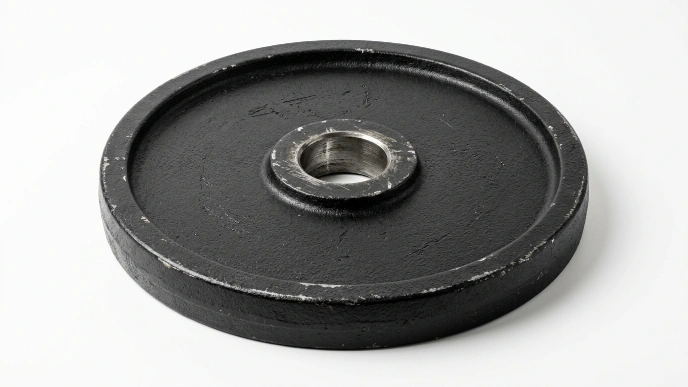
A weight plate marked 10 kg is designed to provide that nominal mass for strength training. In pounds, the plate is approximately 22.05 lb. Its diameter and thickness depend on whether it is an iron plate, bumper plate, competition plate, or another design.
These plates are commonly used with Olympic barbells in gyms, weightlifting clubs, CrossFit facilities, and home training spaces. Standard Olympic plates have a center opening designed for bars with approximately 50 mm sleeves, although construction standards and tolerances vary among manufacturers.
As a visualization tool, a labeled plate is highly reliable because its entire purpose is to provide a known training load. Lifting one from the floor or carrying it across a gym gives you a direct physical sense of how this amount of mass feels.
8. A Countertop Microwave

Countertop microwaves vary substantially in weight, but many compact and mid-sized models fall somewhere around 9 to 15 kg. A smaller unit near the lower end of this range can therefore provide a reasonable approximation of a 10 kg object.
Microwaves are familiar fixtures in kitchens, offices, dorm rooms, break rooms, and apartments. Their steel construction, transformer or inverter components, glass turntable, electronics, and outer housing contribute to their overall mass. Larger high-capacity models can be considerably heavier than compact units.
If you’ve ever lifted a countertop microwave while moving or cleaning, its heft offers a useful everyday reference. Because model weights vary, however, check the manufacturer’s specifications before treating a particular microwave as an accurate 10 kg comparison.
9. Two Gallons of Paint
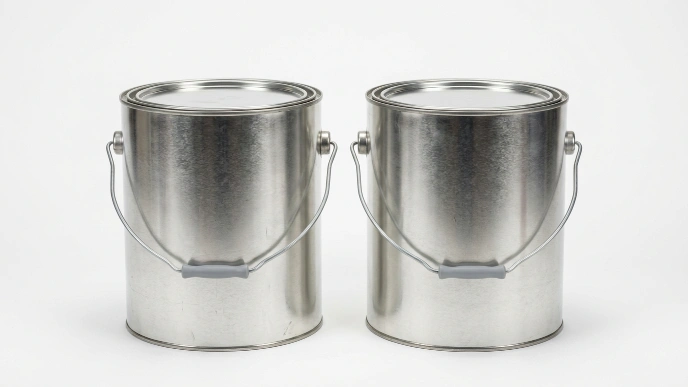
Two U.S. gallons equal approximately 7.57 liters of volume. Paint is generally denser than water, so two full gallon cans can have a combined mass in the neighborhood of 9–12 kg depending on formulation, pigment concentration, container weight, and product type.
Paint cans of this size are common during home renovations, decorating projects, construction, and commercial maintenance. Carrying two full cans at once makes the load particularly noticeable, especially because each container is suspended from a relatively thin wire or plastic handle.
As an everyday comparison, two gallons of paint can put you in the right weight range. It isn’t an exact conversion, however, because liters and gallons describe volume while kilograms describe mass. Different paints can have significantly different densities.
10. Four Standard Bricks
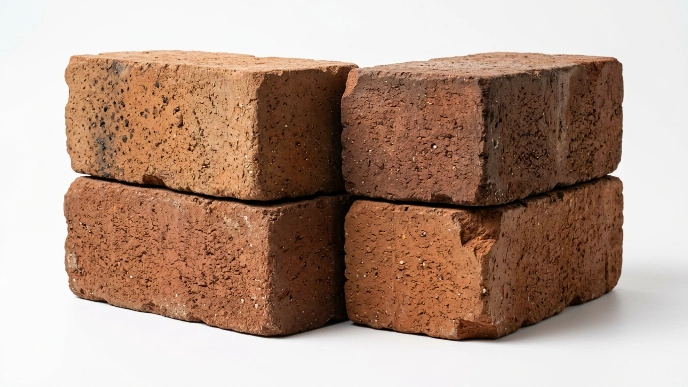
The weight of a brick isn’t universal. Depending on dimensions, material, moisture, density, and regional manufacturing standards, a common clay brick may weigh roughly 2 to 3 kg. Four bricks can therefore produce a combined load in the general vicinity of 8–12 kg.
Bricks are familiar on construction sites, in gardens, around patios, and in home-improvement stores. Their compact rectangular shape makes them easier to stack than many other objects, but carrying several simultaneously can be uncomfortable because of their hard edges and limited grip.
Four medium-to-heavy bricks provide a practical approximation of the target weight. Because brick standards vary internationally, this example works better as a visual and lifting reference than as a precise substitute for a scale.
11. A Packed Carry-On Suitcase
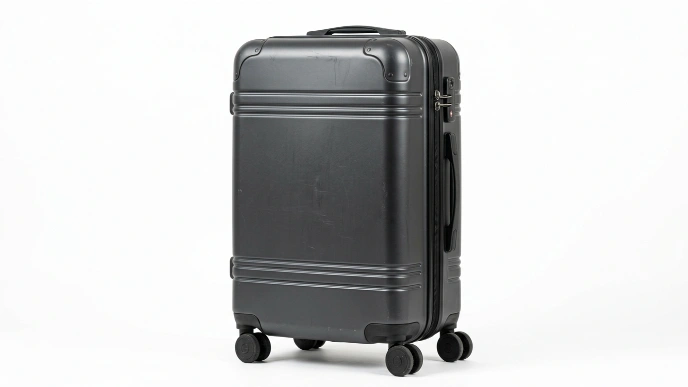
An empty carry-on suitcase may weigh only around 2–4 kg, but clothing, shoes, toiletries, electronics, and other travel essentials can quickly bring the total close to 10 kg. In fact, 10 kg is a familiar baggage allowance on some airline fares and routes.
Carry-on bags are encountered at airports, hotels, train stations, bus terminals, and during road trips. Wheels make the load easier to move across smooth floors, but lifting a packed suitcase into an overhead compartment reveals its actual weight much more clearly.
If you’ve traveled with a carry-on packed close to a 10 kg allowance, you already have a practical reference. The suitcase may seem relatively easy to roll but noticeably heavier when lifted because wheels reduce the effort needed for horizontal movement.
12. A Passenger Car Tire Without the Rim

Many passenger-car tires without wheels fall broadly around 8–12 kg, although exact weight depends on tire diameter, width, sidewall construction, load rating, tread design, and manufacturer. Larger SUV, truck, and performance tires can weigh considerably more.
You’ll see loose tires at garages, tire shops, dealerships, warehouses, and home workshops. Despite containing a large amount of empty interior space, tires remain surprisingly substantial because they’re constructed from thick rubber compounds reinforced with steel belts, textile cords, beads, and other structural materials.
A typical passenger tire near the middle of the range makes a useful approximation of 10 kg. Its large diameter makes the mass appear less concentrated than a dumbbell, illustrating why two equally heavy objects can look and feel very different.
13. A French Bulldog

Adult French Bulldogs commonly fall within a broad weight range that can place many individuals close to 10 kg. Sex, age, body frame, muscle mass, nutrition, and individual genetics all influence weight, so no single figure applies to every dog.
French Bulldogs are compact companion dogs with muscular bodies, broad chests, short legs, and relatively dense builds. Their physical size can therefore make their weight somewhat surprising to someone who has never picked one up.
An adult French Bulldog weighing around 10 kg provides a relatable living comparison, especially for pet owners. Animal weights should always be treated as variable, however, and breed examples shouldn’t be used to judge whether an individual pet is at a healthy weight.
14. A Full-Grown Dachshund
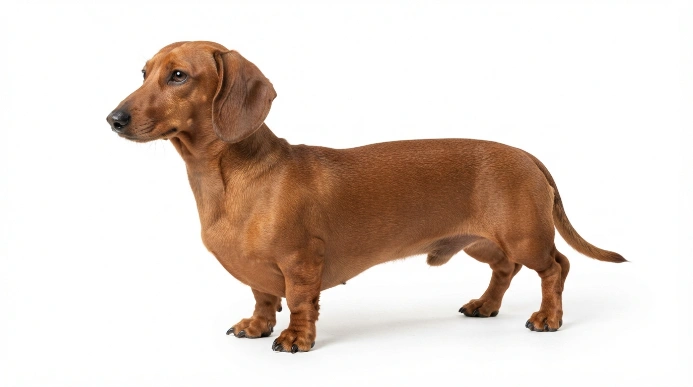
Dachshunds come in different size classifications, so their adult weights vary considerably. Miniature Dachshunds are normally much lighter than 10 kg, while larger standard Dachshunds can approach or sometimes exceed this level depending on their frame and individual condition.
These distinctive long-bodied dogs are common household pets. Despite their relatively short height, standard Dachshunds can have more body mass than their appearance initially suggests. Their elongated torso also distributes that mass differently from compact breeds of a similar weight.
A larger adult standard Dachshund can therefore help visualize something around the target mass, but it isn’t a universal comparison. For a precise reference, an actual scale reading is necessary because individual dogs can differ by several kilograms.
15. A Large Domestic Cat
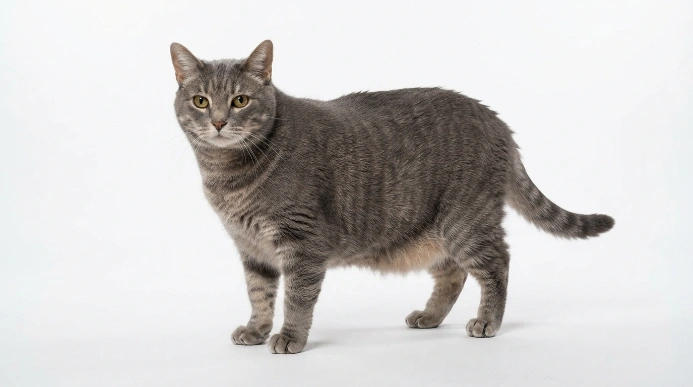
Most ordinary domestic cats weigh substantially less than 10 kg, but exceptionally large individuals and some large-framed breeds can approach this level. A 10 kg cat equals roughly 22 pounds, making it noticeably heavier than an average household cat.
Domestic cats are familiar enough that this comparison is easy to picture. However, breed, sex, skeletal frame, muscle mass, and body condition can produce major differences. Large breeds may naturally have more substantial frames, while excessive weight can also raise an animal’s scale reading.
For visualization, imagine a particularly large, heavy adult cat rather than an average pet. This example demonstrates the approximate scale of the weight, but a 10 kg figure should not be interpreted as a normal or ideal body weight for every cat.
Why 10 Kilograms Feels Different Depending on Context
The sensation of weight depends on more than the number shown on a scale. A compact 10 kg dumbbell can be challenging to hold in one hand because the entire load is concentrated around a narrow grip. A suitcase of equal mass may feel easier because it can be rolled, held with two hands, or kept close to the body.
Weight distribution also matters. A flexible sack of rice shifts as you carry it, while a rigid weight plate remains stable. Large objects may require your arms to extend farther from your torso, increasing leverage and making the load feel more demanding even when its mass doesn’t change.
Grip design, carrying distance, body position, and physical conditioning all influence perceived effort. That’s why comparing several familiar objects is more useful than relying on a single example when trying to understand what this weight feels like.
10 Kilograms to Pounds
Using the standard conversion factor, 1 kilogram equals approximately 2.20462 pounds. Multiplying by ten gives:
10 kg × 2.20462 = 22.0462 lb
Rounded to two decimal places, the result is 22.05 pounds. This conversion is particularly useful when moving between metric measurements and the imperial or U.S. customary weight figures commonly encountered in product specifications, fitness equipment, luggage information, and everyday conversations.
For visualization, 22 pounds is close to the combined weight of two 11-pound bowling balls. A dumbbell labeled 22 lb is also extremely close, although it is fractionally lighter than an exact 10 kg dumbbell.
Remember that kilograms technically measure mass, while pounds are commonly used to describe weight in everyday contexts. For ordinary Earth-based comparisons, the conversion above is the practical value you’ll need.
10 Kilograms to Grams
The kilogram-to-gram conversion is straightforward because both units belong to the metric system. One kilogram contains exactly 1,000 grams, so multiplying ten by one thousand gives:
10 kg × 1,000 = 10,000 g
Therefore, the equivalent is exactly 10,000 grams. Unlike approximate conversions between metric and imperial units, no rounding is required here. The relationship between kilograms and grams is defined directly within the metric system.
Grams are more practical when measuring smaller quantities such as food ingredients, parcels, laboratory materials, and individual products. Kilograms are generally easier to read when dealing with larger masses.
For perspective, dividing the total into ten equal portions would give ten 1,000-gram portions. Dividing it into 100 equal parts would produce 100 portions weighing 100 grams each.
10 Kilograms in Stone and Pounds
One stone is equal to 14 pounds. Since 10 kg converts to approximately 22.046 pounds, the first 14 pounds make one complete stone, leaving about 8.046 pounds.
That means the mixed-unit conversion is approximately:
10 kg = 1 stone 8.05 pounds
This format is particularly familiar in the United Kingdom and Ireland, where stone and pounds have traditionally been used when discussing body weight.
The decimal-stone equivalent is approximately 1.575 stone. Both figures describe the same mass; they’re simply written differently. Decimal stone is convenient for calculations, while the stone-and-pounds format is often easier to interpret conversationally.
For everyday purposes, remembering 1 stone 8 pounds provides a simple rounded estimate. Use 1 st 8.05 lb when greater numerical precision is useful.
10 Kilograms in Pounds and Ounces
The starting point is approximately 22.0462 pounds. Since the whole-pound portion is 22 lb, the remaining decimal portion is about 0.0462 lb. Multiplying that fraction by 16 ounces per pound gives approximately 0.74 ounces.
Therefore:
10 kg ≈ 22 pounds 0.74 ounces
This mixed-unit format is more precise than simply rounding the measurement to 22 pounds. However, the extra fraction of an ounce is rarely important for ordinary household comparisons.
Pounds and ounces are useful for understanding measurements on scales, shipping labels, food packaging, and product specifications that use U.S. customary units. For quick visualization, saying “just over 22 pounds” is usually sufficient.
When accuracy matters, retain more decimal places rather than repeatedly converting rounded figures. Using the original kilogram value reduces accumulated rounding error.
10 Kilograms to Liters
Kilograms cannot be universally converted to liters because the two units measure different properties. A kilogram measures mass, while a liter measures volume. To convert between them, you must know the density of the material involved.
For water, the relationship is conveniently close to one kilogram per liter under ordinary conditions. This means 10 kg of water occupies approximately 10 liters, with the exact volume changing slightly according to temperature and density.
Other substances produce different results. Ten kilograms of cooking oil, for example, occupies more volume than 10 kg of water because typical oils are less dense. Dense liquids may occupy less.
So, 10 kg = about 10 liters only when you’re referring to water or a material with a similar density. There is no single liter conversion that works for every substance.
Practical Ways to Estimate This Weight Without a Scale
When a scale isn’t available, familiar products with clearly marked net weights can help you make a rough estimate. Packaged food and gym equipment are particularly useful because manufacturers state their nominal mass directly, making them more dependable than objects whose weight varies naturally.
A few practical references include:
- A sealed bag explicitly labeled 10 kg
- A gym dumbbell or weight plate marked 10 kg
- Approximately 10 liters of water
- Two bowling balls weighing about 11 pounds each
- A suitcase packed to a verified 10 kg airline baggage limit
These methods work well for visualization but shouldn’t replace calibrated weighing equipment when precision matters. Shipping charges, airline baggage compliance, commercial transactions, recipes, scientific work, and safety-sensitive lifting decisions are better handled with a suitable scale.
Read: How Long Is 21 Inches?
Read: How Long Is 2 Feet?
Read: How Long Is 3 Feet?
Read: How Tall Is 70 Inches?
Read: How Long Is 200 Feet?
Read: How Long Is 40 Inches?
Read: How Long Is 40 Feet?
Read: How big is 9mm?
Read: How Long Is 50 Inches?
Read: How Long Is 23 Inches?
Frequently Asked Questions
How heavy is 10 kg in pounds?
It is approximately 22.05 pounds. More precisely, multiplying 10 by 2.20462 gives about 22.0462 lb. For ordinary comparisons, 22 pounds is usually accurate enough.
Is 10 kg considered heavy to lift?
It depends on the person and the object. Many healthy adults can lift this amount, but shape, grip, lifting technique, carrying distance, and individual strength can make the same mass feel much easier or harder.
Does 10 liters always weigh 10 kg?
No. The relationship works approximately for water because its density is close to 1 kg per liter. Oil, milk, fuel, paint, honey, and other substances have different densities, so 10 liters won’t necessarily have the same mass.
What household object weighs around 10 kg?
A large bag of rice, a packed carry-on suitcase, some countertop microwaves, and certain passenger-car tires can be around this range. A labeled 10 kg dumbbell or weight plate provides a much more precise comparison.
How many grams are in 10 kg?
There are exactly 10,000 grams. Since one kilogram contains 1,000 grams, multiplying 1,000 by 10 gives 10,000.
What is the easiest way to visualize this weight?
A 10-kilogram bag of rice or a 10 kg gym dumbbell is probably the easiest reference. Ten liters of water is another practical approximation because water has a density close to one kilogram per liter.
Final Thoughts
10 Kilograms is equal to 22.05 pounds, 10,000 grams, about 1.575 stone, or 352.74 ounces. Familiar examples include a labeled gym dumbbell, a large bag of rice, roughly ten liters of water, or a suitcase packed near a common airline weight allowance.
For the clearest visualization, use objects with known labeled weights rather than naturally variable items. A watermelon, pet, tire, microwave, or brick can provide useful context, but its actual mass may differ considerably. When precision matters, a calibrated scale remains the most reliable option.