Quick Answer
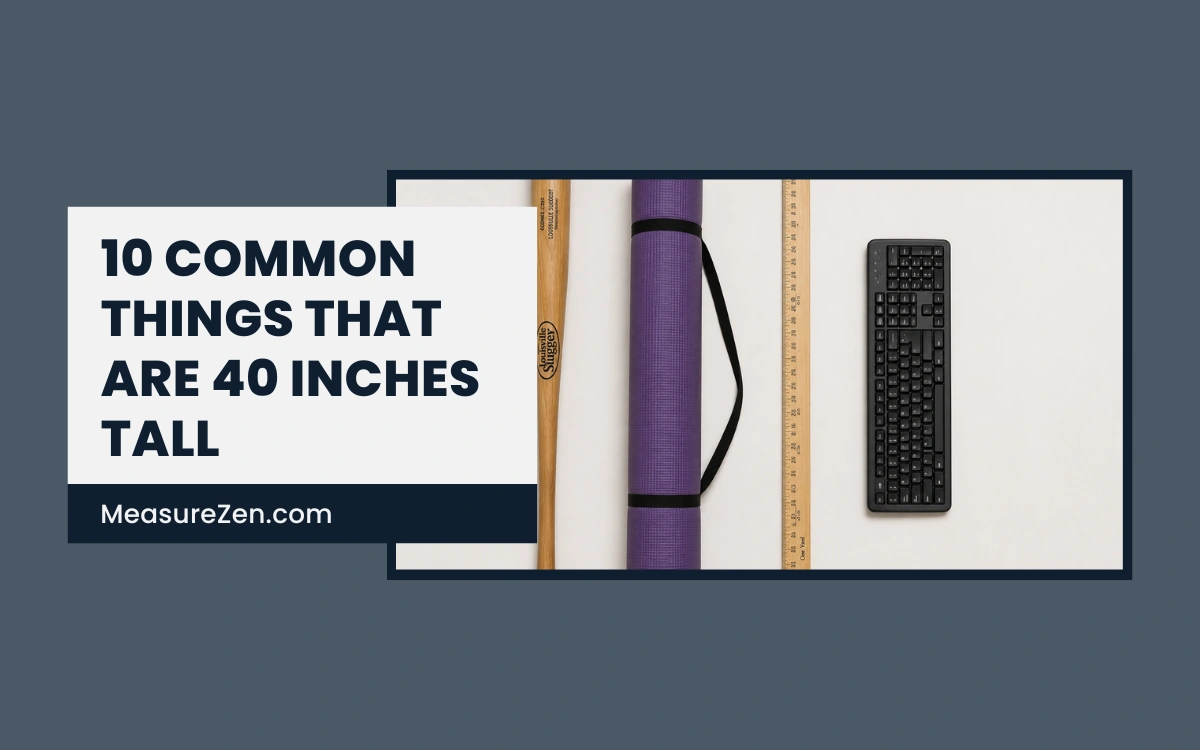
40 inches is equal to 3.33 feet, 101.6 centimeters, 1,016 millimeters, or 1.016 meters. It is similar to the height of a young child or a full-size guitar standing upright.
Many people struggle to picture a specific measurement without having a ruler nearby. Whether you’re buying furniture, checking product dimensions, planning a room layout, or working on a DIY project, understanding a measurement in everyday terms makes decisions much easier.
Visual comparisons help turn numbers into something meaningful. Instead of imagining inches alone, comparing the size with familiar household objects gives you a much clearer idea of how tall or long something actually is.
In this guide, you’ll learn exactly what 40 Inches looks like, how to estimate it without measuring tools, and ten common objects that closely match this height. You’ll also find an accurate conversion chart and answers to frequently asked questions.
40 Inches Conversion Chart
Quick and accurate measurement conversions.
| Unit | Converted Value |
|---|---|
| Feet | 3.33 ft |
| Centimeters | 101.6 cm |
| Millimeters | 1,016 mm |
| Meters | 1.016 m |
What Does 40 Inches Look Like?
Visualizing this measurement becomes much easier when you compare it with objects you already see every day. At just over three feet in height, it falls between the size of many household furniture pieces and the average height of a preschool-aged child. It is large enough to notice immediately but still compact enough to fit comfortably inside most homes and offices.
Rather than thinking about numbers alone, imagine a guitar standing against a wall or a washing machine in your laundry room. Those familiar references provide a much clearer picture than measurements on paper. This dimension is also common for furniture, luggage, and storage cabinets, making it practical in everyday life.
Understanding this size through real-world examples improves shopping decisions, interior planning, and DIY accuracy. The more familiar comparisons you know, the easier it becomes to estimate similar dimensions without reaching for a tape measure.
| Object | Approximate Length | How It Compares |
|---|---|---|
| Preschool child | 39–42 in | Very close |
| Full-size guitar | 39–40 in | Nearly identical |
| Washing machine | 38–40 in | Similar height |
| Large suitcase | 38–41 in | Close match |
| Small bookshelf | 40 in | Nearly exact |
How to Measure 40 Inches Without a Ruler
If you don’t have a ruler available, several everyday objects can help estimate this measurement with reasonable accuracy. Familiar items have standardized dimensions, allowing you to build an approximate reference. While these methods are not suitable for precision work, they are useful for furniture placement, package sizing, and quick visual checks.
For example, a full-size acoustic guitar is almost exactly this height. A preschool child standing nearby also provides a reliable visual estimate. Household appliances like washing machines and lower kitchen counters often fall within the same range, making them useful comparison points around the home.
Another practical method is combining smaller known measurements. A standard sheet of paper, common furniture heights, or repeated lengths of familiar objects can help you estimate larger distances surprisingly well when measuring tools are unavailable.
1. A 4-Year-Old Child
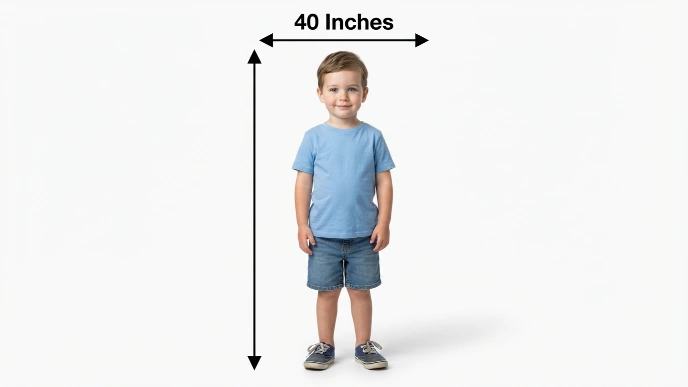
A typical four-year-old child stands around 39 to 42 inches (99–107 cm) tall, making this one of the closest natural comparisons. Individual growth varies, but most children of this age remain very close to this height range.
Parents, teachers, and caregivers see children of this age every day in homes, schools, and playgrounds. Their height is familiar to many people, making them an easy mental reference when estimating similar dimensions.
If you picture a healthy preschooler standing upright, you can quickly imagine this measurement without needing any measuring equipment.
2. Kitchen Counter (Lower Height)
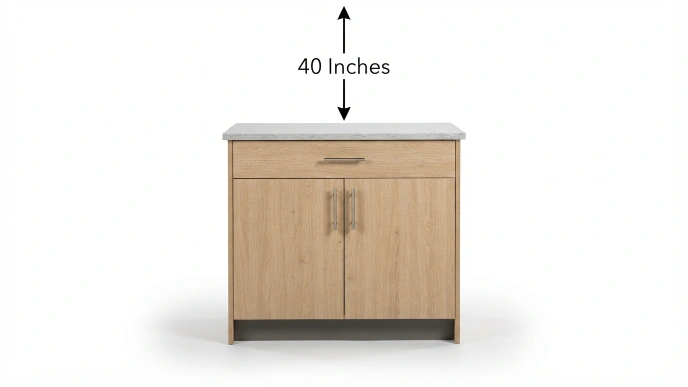
Lower kitchen counters often measure close to 40 inches depending on design, decorative tops, or custom installations. Although standard counters are usually around 36 inches, some raised sections approach this dimension.
These counters appear in modern kitchens where additional workspace or breakfast bars are included. Because they’re used daily, most homeowners instinctively recognize their approximate height.
Imagining the upper surface of one of these counters provides a practical way to picture this measurement inside a home.
3. Medium-Sized Dog Standing Height

Many medium to large dog breeds measure close to this height when standing naturally from the ground to the top of the head. Depending on the breed, they often range between 36 and 42 inches.
Dogs such as Labradoodles, Standard Poodles, or similar breeds are commonly seen in neighborhoods, parks, and homes. Their standing height provides an easy visual comparison for many people.
Thinking about a medium-sized dog beside an adult helps create a realistic picture of this dimension.
4. Office Desk Height
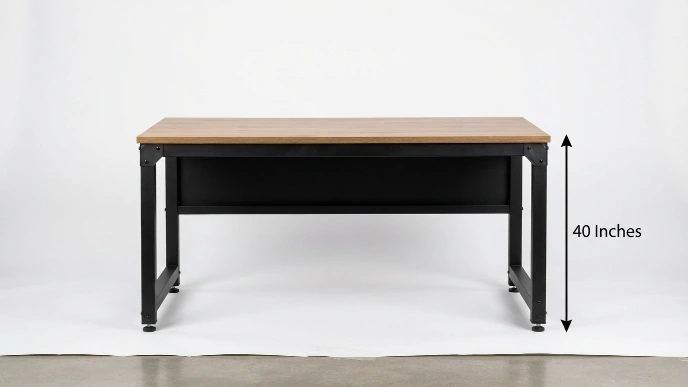
Certain office desks, especially standing desks adjusted upward or custom workstations, reach approximately 40 inches (101.6 cm). This height provides a comfortable working position while standing.
Standing desks have become increasingly common in workplaces and home offices. Many people are familiar with their adjustable heights through everyday use.
Visualizing the desktop positioned near chest level gives a practical understanding of this measurement.
5. Large Suitcase (Standing Upright)
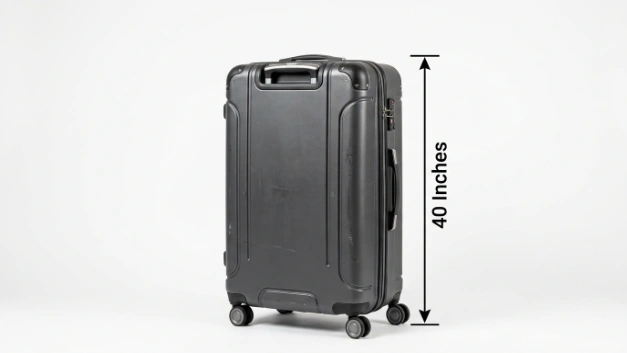
Large checked luggage typically stands between 38 and 41 inches high when including its wheels and extended structure. This places many oversized travel suitcases very close to this dimension.
Travelers frequently encounter these suitcases at airports, hotels, and train stations. Their size makes them an excellent everyday reference because they are designed within fairly consistent dimensions.
Pictureing a large suitcase standing next to a person offers an accurate way to estimate this height.
6. Dining Table Height
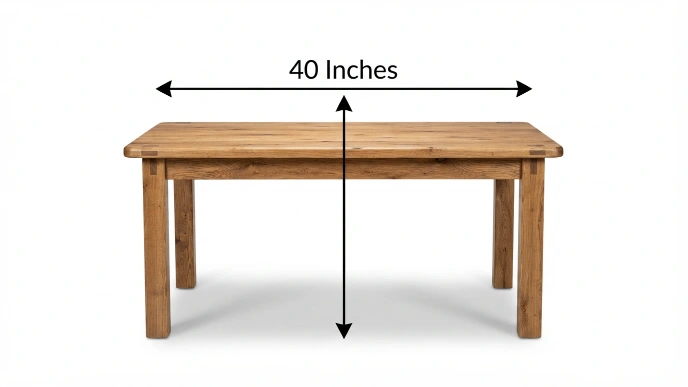
Some taller dining tables, pub-style tables, or counter-height dining furniture measure around 40 inches from the floor to the tabletop. Traditional tables are shorter, but elevated models commonly reach this range.
These tables are popular in modern apartments, cafés, and open-concept kitchens. Their increased height creates a casual seating arrangement using taller chairs or stools.
Imagining one of these elevated dining tables provides another reliable comparison for this measurement.
7. Washing Machine Height
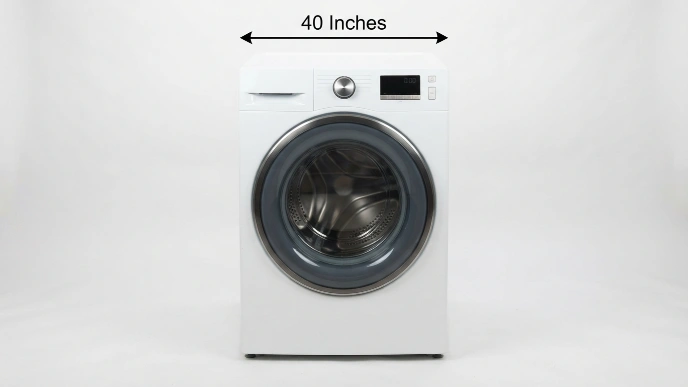
Many front-loading washing machines measure between 38 and 40 inches tall. Their height remains fairly consistent across many manufacturers and appliance brands.
Laundry rooms around the world commonly feature machines within this size range. Because these appliances are familiar household items, they serve as excellent visual references.
Thinking about the top surface of a washing machine makes it easy to picture this measurement inside your own home.
8. Full-Size Guitar
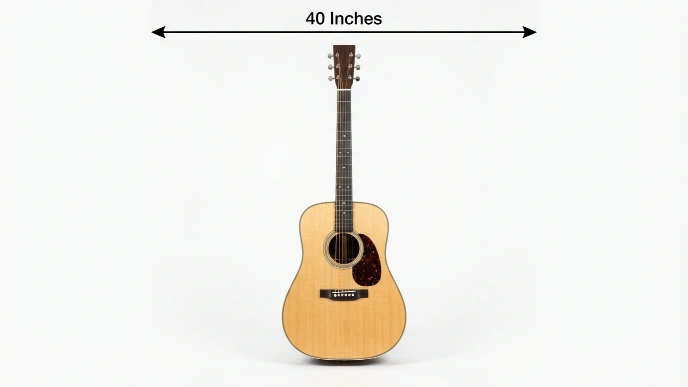
A standard full-size acoustic guitar measures approximately 39 to 40 inches (99–102 cm) from the top of the headstock to the bottom of the body. This makes it one of the most accurate comparisons available.
Musicians, music students, and even casual listeners recognize the familiar shape and proportions of a full-size guitar. They are commonly displayed in music stores, classrooms, and homes.
Visualizing a guitar standing upright gives one of the clearest real-world examples of this height.
9. Coffee Table (Tall Style)
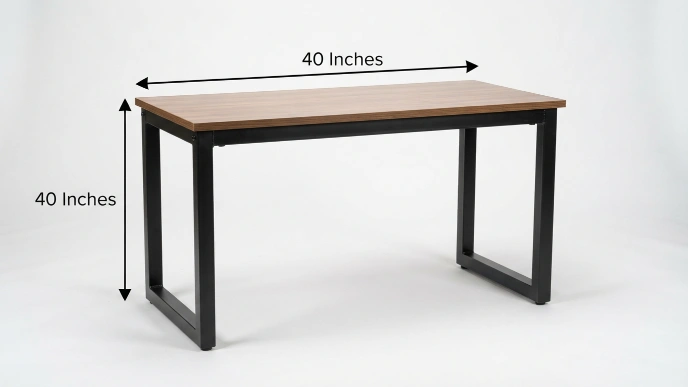
Some taller coffee tables measure close to this dimension, particularly decorative models designed for larger living rooms or multifunctional spaces. Their height varies but often approaches this range.
These tables are found in lounges, hotel lobbies, waiting areas, and homes. Larger styles provide additional storage and workspace while maintaining comfortable accessibility.
Pictureing one of these taller coffee tables helps you estimate this measurement in a familiar indoor setting.
10. Small Bookshelf or Cabinet
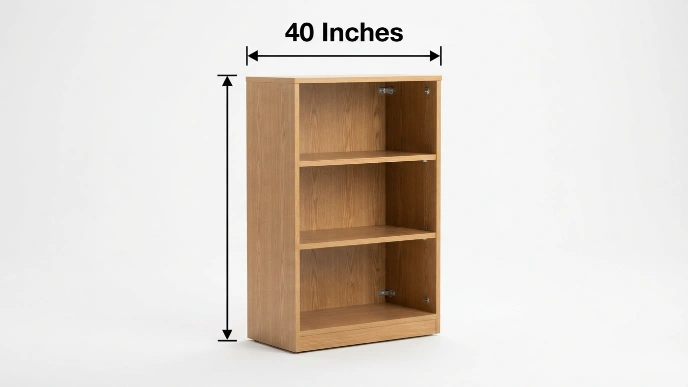
Small storage cabinets and compact bookshelves commonly measure around 40 inches tall. This size provides enough storage while remaining low enough to fit beneath windows or decorative shelving.
You’ll find furniture of this height in bedrooms, offices, children’s rooms, and living spaces. Manufacturers frequently produce cabinets within this range because they fit comfortably in most homes.
Imagining one of these storage units standing against a wall offers a practical reference for understanding this dimension.
Everyday Uses for This Measurement
This height appears in more places than many people realize. Recognizing it can make estimating furniture, appliances, and storage much easier.
- Compare furniture dimensions before purchasing.
- Estimate appliance heights during renovations.
- Visualize storage cabinets and bookshelves.
- Plan room layouts without measuring every item.
- Check luggage sizes before traveling.
The more familiar you become with common objects around this height, the easier it becomes to judge similar dimensions accurately in everyday situations.
Read: How long is 16 Inches?
Read: How Big Is 10mm?
Read: How Long Is 12 Inches?
Read: How Big Is 7mm?
Read: How Long Is 20 Feet?
Frequently Asked Questions
Is this measurement longer than one meter?
Yes. One meter equals 39.37 inches, so this measurement is slightly longer by about 0.63 inch (1.6 centimeters).
How many feet does it equal?
It converts to approximately 3.33 feet, or 3 feet and 4 inches.
What household item is closest in size?
A full-size acoustic guitar is one of the closest everyday objects because its overall length is almost exactly the same.
Is it taller than a kitchen counter?
Most standard kitchen counters are around 36 inches tall, so this height is generally a few inches taller than a typical countertop.
Can I estimate 40 Inches without a tape measure?
Yes. Comparing it to a full-size guitar, a large suitcase, a washing machine, or a preschool-aged child provides a surprisingly accurate visual estimate.
Conclusion
Understanding 40 Inches becomes much easier when you connect the measurement with familiar objects instead of relying only on numbers. Whether you imagine a full-size guitar, a washing machine, a large suitcase, or a preschool child, these comparisons create a clear mental picture.
The next time you need to estimate a similar height, use these everyday references to judge the size quickly and confidently. With a little practice, visualizing measurements becomes faster, more accurate, and far more practical than memorizing conversions alone.